Garden Machinery Mold

Garden Machinery Mold

Garden machinery molds are process equipment made of plastic, metal or other materials, used to mold or replicate parts of garden machinery and equipment. They play a vital role in the production process, ensuring the precision, durability and consistency of parts, thereby improving the overall performance and reliability of garden machinery and equipment.
Send Inquiry
Description
Technical Parameters
Kunshan Tehui Plastic Mold Co.,Ltd: Your Professional Garden Machinery Mold Supplier!

Founded in 2011, Kunshan Tehui Plastic Mold Co., Ltd is located in Kunshan, China. We have a standard factory of more than 6,500 square meters and 88 employees. Our normal annual output value is 80 million RMB, and we are a fast-growing enterprise. We have experience in manufacturing precision injection molds for export and have advanced mold development management mode.

Wide Range of Products
The company's main business is plastic mold development, manufacturing and injection molding, focusing on export plastic molds such as auto parts, air conditioners, sweepers, power tools, 3C accessories, coffee machines, etc., and its main customers are distributed in Europe, the United States, Japan and other places.


Leading Service
We have many years of industry experience and a complete production management, quality supervision and sales service operation system. If you want to buy our products, just send your needs by email and we can respond to you as soon as possible.


Complete Qualifications
We passed ISO9001/IATF16949 certification in 2011, in line with the international general automotive industry quality system.


Advanced Equipment
The company has world-leading mould processing equipment, such as five-axis linkage high-speed CNC, Taiwan high-speed CNA double-head EDM and other large-scale processing equipment, as well as more than 20 injection molding machines, CMM measurement, hardness tester, flaw detector and other equipment.


Our Related Products
 
工业塑料注塑模具

Industrial Plastic Injection Moulds

Industrial plastic injection mold is a tool that injects molten plastic material into the mold cavity under high pressure through an injection molding machine and solidifies and forms after cooling. Mold materials usually have high hardness and wear resistance, long service life, and can operate stably for a long time.

-(4)

Cabinet Mold

It is a mold used to make or shape cabinet parts. Cabinet molds can accurately replicate the shape and size of cabinet parts to ensure that the products produced meet the design requirements. Products made by molds usually have consistent quality and appearance, reducing errors and inconsistencies caused by manual operations.

塑料瓶盖成型

Plastic Cap Molding

Plastic Cap Molding is a mold specially used for manufacturing plastic caps (such as bottle caps, container caps, etc.). Due to the use of high-precision processing equipment and strict manufacturing processes, plastic cap molds can ensure the dimensional accuracy and surface finish of the products. The molds are made of high-quality materials and are specially treated to improve their wear resistance and corrosion resistance, thereby extending their service life.
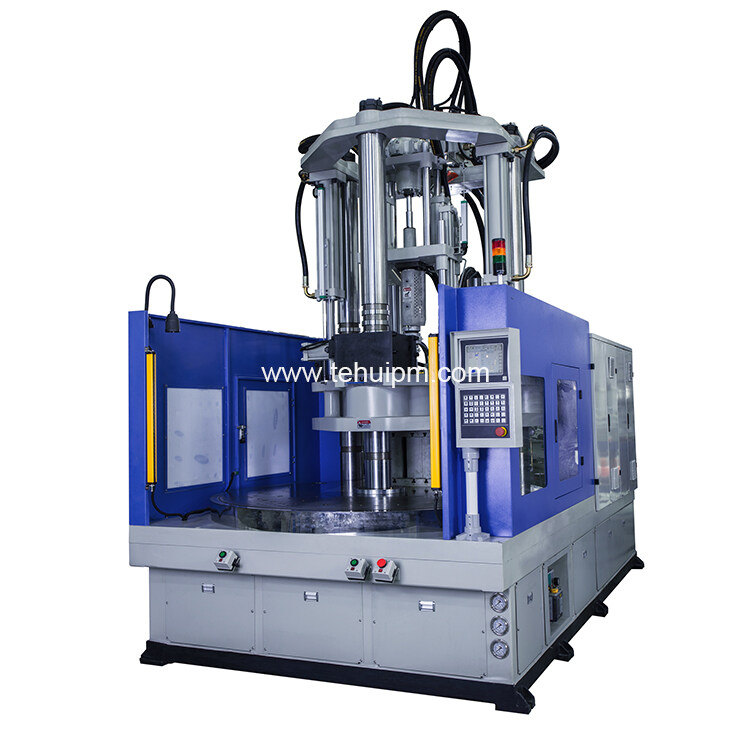
大型注塑成型

Large Scale Injection Moulding

Large-scale injection molding is a technology that uses large-scale injection molding machines to process plastics. Large-scale injection molding refers to the process of injecting molten plastic materials into the mold cavity under high pressure through a large injection molding machine, and obtaining plastic products of the desired shape and size after cooling and solidification. This technology is mainly used to produce large plastic products, such as automotive parts, home appliance housings, large containers, etc.

塑料注塑成型

Plastic Injection Molding

Plastic injection molding is a widely used plastic processing technology. Its basic principle is: the molten plastic material is injected into the pre-designed mold cavity by high pressure, and after cooling and solidification, the mold is opened to take out the molded plastic product. Plastic injection molding technology is widely used in various fields, such as daily necessities (plastic tables and chairs, food containers, etc.), electronic products (mobile phone cases, computer keyboards, etc.), medical equipment (syringes, hemodialysis equipment, etc.), the automotive industry (car interior decoration, dashboards, etc.), the toy industry, the construction industry, the packaging industry, etc.
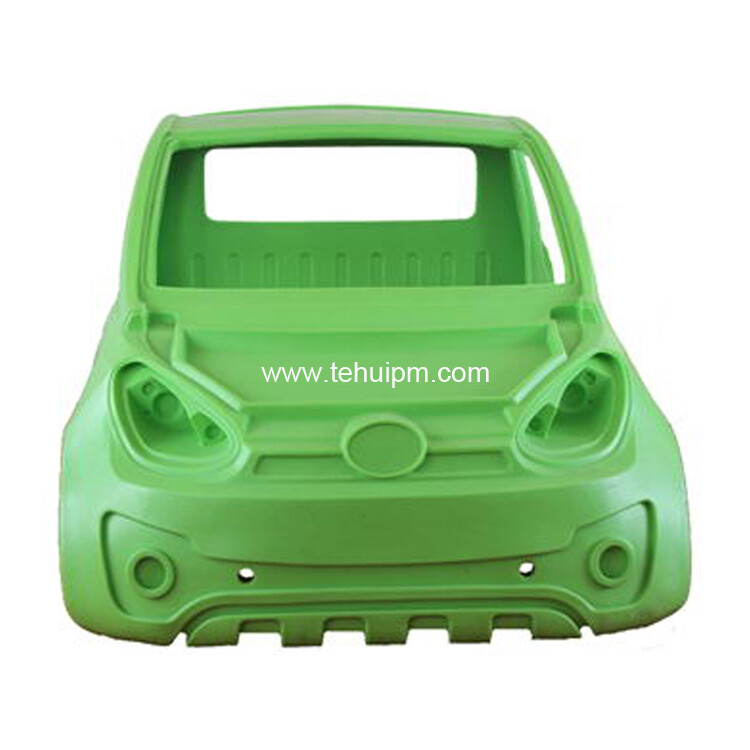
塑料模具

Mold in Plastic

It is a tool used in the plastic processing industry to match plastic molding machines and give plastic products a complete configuration and precise size. Plastic molds can ensure the dimensional accuracy and surface finish of products and meet the production needs of plastic products with various complex shapes and precision. Mold materials usually have high hardness and wear resistance, and can withstand high temperature, high pressure and friction during repeated injection molding, extending service life.

Abs Plastic Injection Molding

Abs Plastic Injection Molding

Brand customization, molding pvc plastic, abs plastic injection molding, PC plastic, PP plastic and other carefully selected materials, PVC/PC/ABS and other environmental protection engineering materials

Molding Pvc Plastic

Molding Pvc Plastic

Brand customization, molding pvc plastic, abs plastic injection molding, PC plastic, PP plastic and other carefully selected materials, PVC/PC/ABS and other environmental protection engineering materials
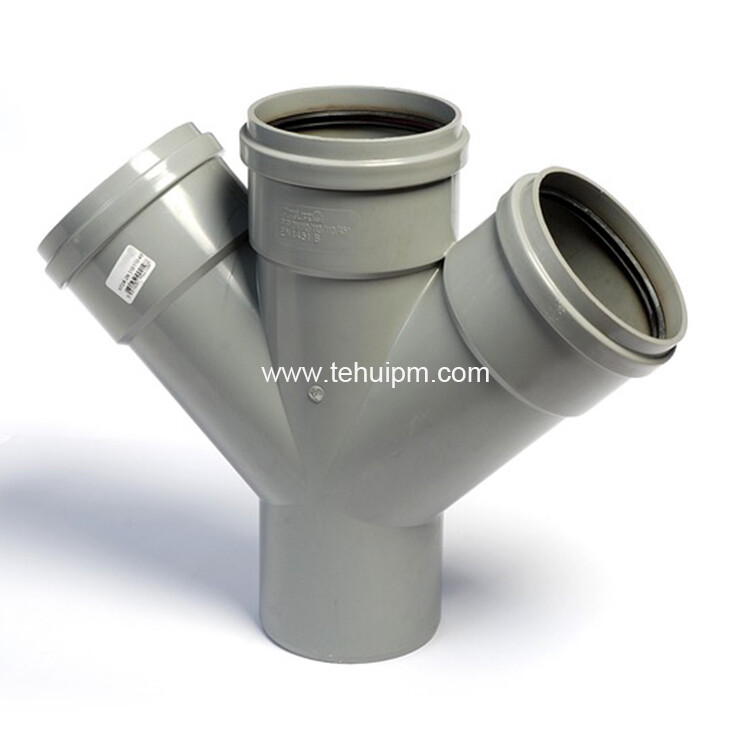
Parts Of The Injection

Parts Of The Injection

Special Hui plastic mold company, foreign undertake plastic mold related design business, injection molding products processing, we have many years of experience in the structure of more complex, higher grade (such as: automobile, notebook, home appliance shell, mechanical parts, etc.) mold design.


Brief Introduction to Garden Machinery Mold


Garden machinery molds are process equipment made of plastic, metal or other materials, used to mold or replicate parts of garden machinery and equipment. They play a vital role in the production process, ensuring the precision, durability and consistency of parts, thereby improving the overall performance and reliability of garden machinery and equipment.


Features of Garden Machinery Mold

Improve Production Efficiency
Garden machinery molds can realize mass production of garden machinery parts, significantly improving production efficiency. Through the standardization and automated production of molds, the production cycle can be greatly shortened to meet the growing market demand for garden machinery.


High Precision
Garden machinery molds are manufactured with high-precision processing technology and high-quality materials, which can ensure that the parts produced have precise sizes and shapes, meeting the strict requirements for precision of parts for garden machinery.


Consistency
Parts produced using molds have high consistency, avoiding dimensional deviations and shape differences caused by manual manufacturing, and improving the overall performance and reliability of garden machinery.


Wear Resistance
Garden machinery molds are usually made of materials with strong wear resistance, which can withstand long-term use and wear, extending the service life of the mold.


Corrosion Resistance
For the special environment in which garden machinery is used, the mold also has certain corrosion resistance and can maintain stable working conditions in harsh environments such as moisture and dust.


Garden Machinery Mold
How To Choose Garden Machinery Mold?

Suitability Of Mold
First, the mold must be able to accurately replicate the shape and size of garden machinery parts. This requires the mold to be reasonably designed and high-precision to meet the manufacturing requirements of the parts. The mold material should be compatible with the material of the garden machinery parts to avoid chemical reactions or physical changes during the injection molding process that affect the quality of the parts.

Durability Of Mold
The mold will be worn during use, so it needs to have good wear resistance to extend the service life of the mold. Since garden machinery parts may work in a humid or dusty environment, the mold should also have a certain corrosion resistance to prevent the mold from being corroded and damaged during use.

Manufacturing Capacity Of Mold
Choose the appropriate mold type according to the production batch of garden machinery parts. For large-scale production, a mold with high production efficiency and good stability should be selected; for small-scale production, a mold with high flexibility can be selected.


How To Maintain Garden Machinery Mold?


Daily Inspection
Regularly check the appearance of the mold for damage, cracks or deformation to ensure the integrity of the mold structure. Check the mold surface for scratches or corrosion, clean it in time and apply rust inhibitor. Check whether the bolts, nuts and other fasteners on the mold are loose, and tighten them in time to prevent them from falling off.


Regular Cleaning
Use a soft cloth or special cleaning agent to remove oil, dust and residues on the mold surface to avoid accumulation and corrosion or affect product quality. Be careful not to use hard objects or highly corrosive cleaning agents when cleaning to avoid damaging the mold surface.


Cooling System Maintenance
For molds with cooling systems, regularly check whether the cooling water is sufficient and the circulation is smooth to avoid overheating and damage to the mold due to poor cooling.


Correct Storage
After use, the mold should be cleaned and rust inhibitor applied, and then stored in a dry, ventilated and dust-free environment. Avoid exposing the mold to humidity, high temperature or direct sunlight for a long time to avoid deformation or corrosion.


Application Of Garden Machinery Mold
 

Parts Production

Garden machinery molds are widely used in the production of various garden machinery parts, such as engine cylinders, gears, bearings, etc. These parts are important components of garden machinery, and their quality and performance directly affect the overall performance and reliability of garden machinery.

Machine Manufacturing

In the process of garden machinery manufacturing, molds also play an important role. For example, when manufacturing garden tractors, trimmers, irrigation equipment and other complete machines, various molds are needed to produce parts and assemble them into complete mechanical products.


Frequently Asked Questions
 

Q: What is garden machinery mold?

A: Garden machinery molds are an important tool in industrial production. They use methods such as injection molding, blow molding, and die casting to process raw materials into garden machinery parts with specific shapes and sizes. These molds are usually composed of a variety of precision parts, including forming working parts, guide parts, supporting parts, etc., as well as auxiliary devices such as feeding mechanisms, core pulling mechanisms, and pusher mechanisms. Garden machinery molds use high-precision CNC processing technology to ensure the molding accuracy and dimensional accuracy of the products, and meet the strict requirements of garden machinery for parts. Mold materials mostly use high-quality alloys or steels with high hardness, high wear resistance, and high strength, ensuring that the mold has a long service life and can withstand long-term production tasks. Garden machinery molds can manufacture products of various shapes and specifications, such as flower pots, flowers, lawn edges, scaffolding, etc., to meet the diversified production needs of garden machinery and equipment.

Q: What factors affect the durability of garden machinery mold?

A: Material selection: The performance of the mold material directly affects its durability. High-quality materials such as high-strength steel, alloy steel or special engineering plastics have better wear resistance, corrosion resistance and fatigue resistance, and can significantly increase the service life of the mold.
Design rationality: Whether the design of the mold is reasonable is also a key factor affecting its durability. Reasonable structural design can reduce stress concentration and reduce the risk of mold breakage or deformation during use. At the same time, good thermal design and exhaust design can also help improve the cooling efficiency and exhaust performance of the mold, thereby reducing mold wear and damage.
Manufacturing process: The accuracy and quality of the manufacturing process have an important impact on the durability of the mold. High-precision processing and assembly can reduce the wear and deformation of the mold during use and improve the accuracy and stability of the mold. In addition, reasonable heat treatment process can also improve the hardness and toughness of the mold, thereby extending its service life.

Q: What are the advantages of garden machinery mold?

A: Improve production efficiency: Garden machinery molds can accurately replicate a large number of identical parts, enabling mass production of garden machinery parts. This production method significantly shortens the production cycle, improves production efficiency, and meets the rapidly growing market demand for garden machinery products.
High precision: Garden machinery molds are manufactured using high-precision processing technology to ensure that the parts produced have precise sizes and shapes. This high-precision feature helps improve the overall performance of garden machinery and ensures product stability and reliability.
Consistency: The parts produced by the mold have a high degree of consistency, that is, the size, shape and performance of each part are basically the same. This consistency helps reduce product variation and improves the overall quality level of the product.

Q: What are the disadvantages of garden machinery mold?

A: Replacement of wearing parts: During the use of the mold, some wearing parts such as cutting edges and guides may be worn or damaged and need to be replaced in time. This not only increases maintenance costs, but may also affect production progress.
Lack of flexibility: Once the mold design is completed and put into production, the specifications and shapes of the products produced are relatively fixed. If market demand changes and products of different specifications or shapes need to be produced, the mold may need to be redesigned and manufactured, which increases the challenges of flexibility and adaptability.

Q: What material is the garden machinery mold made of?

A: The manufacturing materials of garden machinery molds usually include high-quality steel, alloy steel, aluminum alloy and some special materials (such as high-temperature alloys). These materials have good processing performance, wear resistance, high temperature resistance and corrosion resistance, and can meet the various requirements of molds in long-term use.

Q: What factors affect ease of use of garden machinery mold?

A: Mold design: The design of the mold should fully consider the operating habits and needs of the operator, such as a reasonable operating interface, comfortable holding parts, easy-to-recognize logos, etc., which can significantly improve the ease of use of the mold.
Structural rationality: The structural design of the mold should be concise and clear, avoiding complicated operating procedures and excessive parts, so as to reduce the operator's learning cost and operating difficulty.
Processing accuracy: High-precision processing technology can ensure the dimensional accuracy and surface quality of the mold and reduce operational difficulties caused by problems with the mold itself.
Wear resistance: Choosing materials with good wear resistance can reduce the performance degradation and replacement frequency caused by wear of the mold during use, thereby improving its ease of use.
Corrosion resistance: For molds used in harsh environments, materials with good corrosion resistance should be selected to extend their service life and maintain stable performance.

Q: What is the main function of a garden machinery mold?

A: The main function of garden machinery molds is to accurately copy and produce garden machinery parts that meet the requirements. Through specific shapes and structures, these molds are able to form precise contours and dimensions on materials, thereby meeting the precision requirements of garden machinery in the design and production process. Specifically, the main functions of garden machinery molds include the following aspects:
Precise molding: Molds can ensure that the parts produced have precise size, shape and surface quality to meet the performance and use requirements of garden machinery. Through high-precision mold design and manufacturing, mass production of parts can be achieved and production efficiency can be improved.
Improve production efficiency: The use of molds can significantly shorten the production cycle and improve production efficiency. Compared with traditional manual processing methods, mold production can achieve automated and semi-automated production, reduce the impact of human factors on product quality, and improve production stability and reliability.
Reduce costs: Mold production can achieve effective utilization of materials and reduce the generation of waste and leftover materials, thereby reducing production costs. At the same time, the reusability of the mold also reduces the cost of mold replacement during the production process.
Guarantee product quality: The parts produced by the mold have high consistency and stability, which can ensure the overall performance and quality of the garden machinery. Through mold production, product differences can be reduced and product reliability and service life improved.

Q: How to maintain the garden machinery mold to ensure its normal operation?

A: Regular cleaning: Regularly clean the oil, dust and residue on the mold surface to avoid accumulation and corrosion or affect product quality.
Lubrication and maintenance: Regularly lubricate the sliding parts, rotating parts, etc. in the mold to reduce wear and friction.
Inspection and tightening: Regularly check whether the bolts, nuts and other fastening parts on the mold are loose, and tighten them in time to prevent them from falling off.
Correct storage: After use, the mold should be cleaned and coated with rust inhibitor, and then stored in a dry, ventilated and dust-free environment to avoid long-term exposure to humidity, high temperature or direct sunlight.

Q: Will garden machinery mold rust?

A: Garden machinery molds are indeed likely to rust, which is mainly due to the combined effect of multiple factors.
Material selection: The corrosion resistance of the mold material directly affects its rust resistance. If the material used is not corrosion-resistant or has poor rust resistance, the mold is more likely to rust during use.
Use environment: Garden machinery molds usually need to be used outdoors or in humid environments. These environments are rich in moisture and oxygen, which are the main conditions for the formation of rust. In such an environment for a long time, moisture is easily accumulated on the surface of the mold, and then an oxidation reaction occurs, causing rust.
Improper maintenance: If the mold is not cleaned and maintained in time after use, impurities such as soil and leaves may remain on the surface, which will accelerate the corrosion of the mold in a humid environment. In addition, if the mold is not used for a long time and is not properly rust-proofed, it is also easy to cause rust.
Design defects: If there are defects in the design of the mold, such as poor drainage and easy water accumulation, it will also increase the risk of rusting of the mold.

Q: How to prevent garden machinery mold from rusting?

A: Choose corrosion-resistant materials: When manufacturing molds, materials with strong corrosion resistance and good rust resistance, such as stainless steel and alloy steel, should be preferred. These materials themselves have good rust resistance and can reduce the risk of mold rust.
Surface treatment: Perform necessary treatment on the mold surface, such as galvanizing, chrome plating, spraying anti-rust paint, etc., to enhance its rust resistance. These treatments can form a protective film on the mold surface to isolate air and moisture and prevent the mold from rusting.
Maintain a dry environment: Avoid storing the mold in a humid and rainy environment to reduce the chance of contact between the mold surface and moisture. It is best to choose a dry and ventilated warehouse or mold rack to store the mold.
Regular maintenance: Clean and maintain the mold regularly, remove impurities such as dirt and oil on the surface, and keep it dry and clean. When cleaning, you can use professional cleaning agents and tools, and avoid using highly corrosive substances. Apply an appropriate amount of rust inhibitor or rust oil on the mold surface to form a protective film to isolate air and moisture. When applying, ensure that the rust inhibitor evenly covers the mold surface, and be careful to avoid excessive use.
Send Message