


Kunshan Tehui Plastic Mold Co.,Ltd: Your Professional Home Appliance Mould Supplier!
Founded in 2011, Kunshan Tehui Plastic Mold Co., Ltd is located in Kunshan, China. We have a standard factory of more than 6,500 square meters and 88 employees. Our normal annual output value is 80 million RMB, and we are a fast-growing enterprise. We have experience in manufacturing precision injection molds for export and have advanced mold development management mode.
Wide Range of Products
The company's main business is plastic mold development, manufacturing and injection molding, focusing on export plastic molds such as auto parts, air conditioners, sweepers, power tools, 3C accessories, coffee machines, etc., and its main customers are distributed in Europe, the United States, Japan and other places.
Leading Service
We have many years of industry experience and a complete production management, quality supervision and sales service operation system. If you want to buy our products, just send your needs by email and we can respond to you as soon as possible.
Complete Qualifications
We passed ISO9001/IATF16949 certification in 2011, in line with the international general automotive industry quality system.
Advanced Equipment
The company has world-leading mould processing equipment, such as five-axis linkage high-speed CNC, Taiwan high-speed CNA double-head EDM and other large-scale processing equipment, as well as more than 20 injection molding machines, CMM measurement, hardness tester, flaw detector and other equipment.
Our Related Products
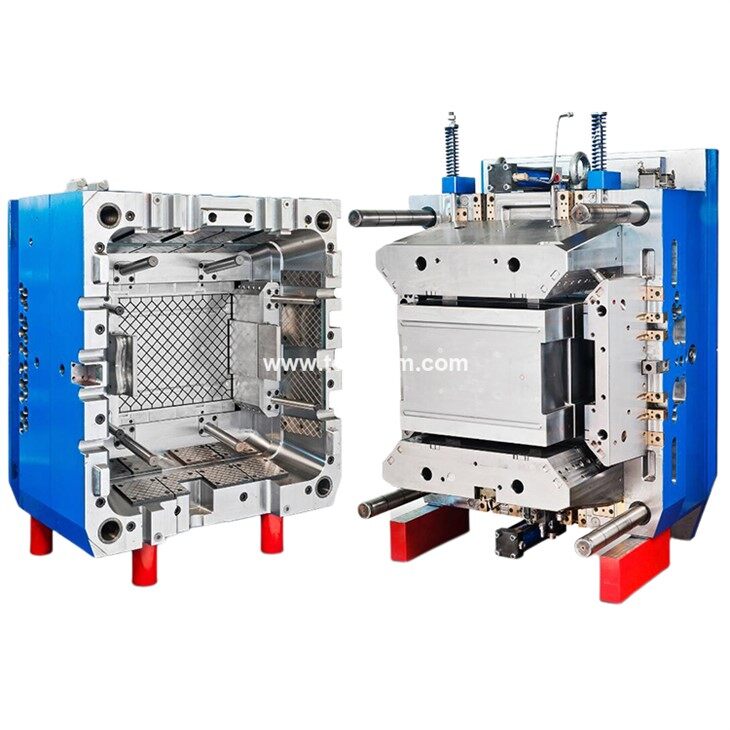
Refrigerator Plastic Injection Mold
Refrigerator Plastic Injection Mold is a mold specially used for producing plastic parts such as refrigerator shell, liner, door, etc. It uses the plastic injection molding process to inject molten plastic into the mold cavity, and after cooling and solidification, a refrigerator plastic part with the same shape as the designed mold cavity is obtained.

Washing Machine Casing Mold is a special mold used to produce washing machine casings. This mold uses the injection molding process to inject molten plastic material into the mold cavity under high pressure. After the plastic cools and solidifies, it is demolded to obtain a washing machine casing with a specific shape and size.
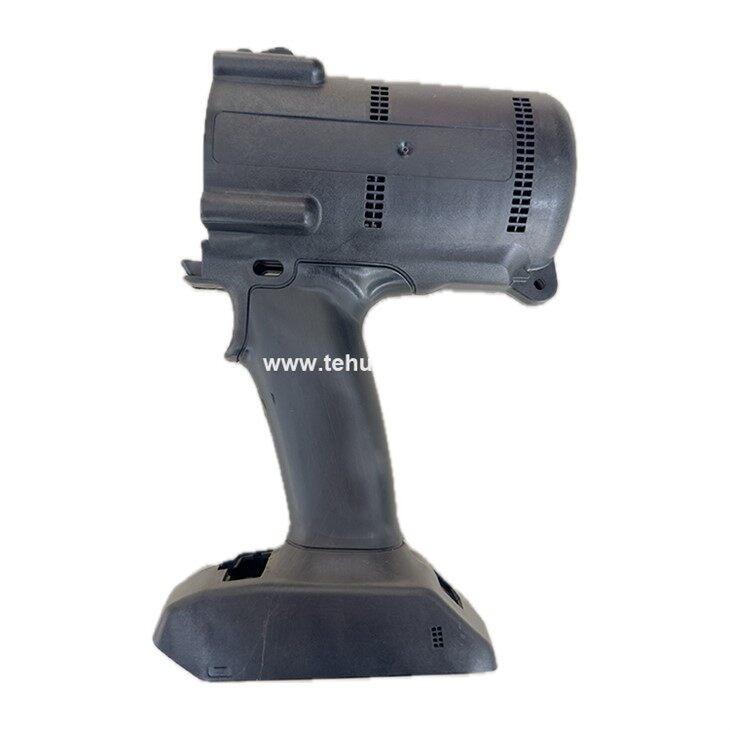
Electric Tools Plastic Mold is a mold specially used for producing electric tool housings and other plastic parts. It uses the injection molding process to inject molten plastic material into the mold cavity at high pressure. After the plastic cools and solidifies, it is demolded to obtain the required plastic parts.

Air Conditioner Plastic Products
Air conditioner plastic products refer to various parts and components used in air-conditioning equipment, which are made of plastic materials through injection molding, blow molding, extrusion and other processes. These products have the advantages of light weight, corrosion resistance, easy processing and low cost, and have been widely used in the air-conditioning manufacturing industry.
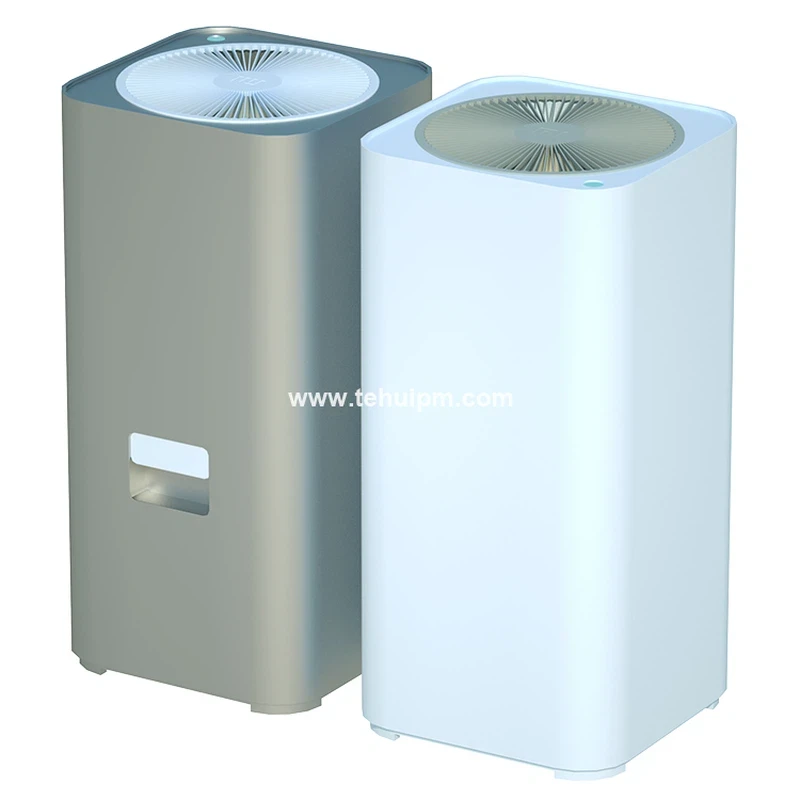
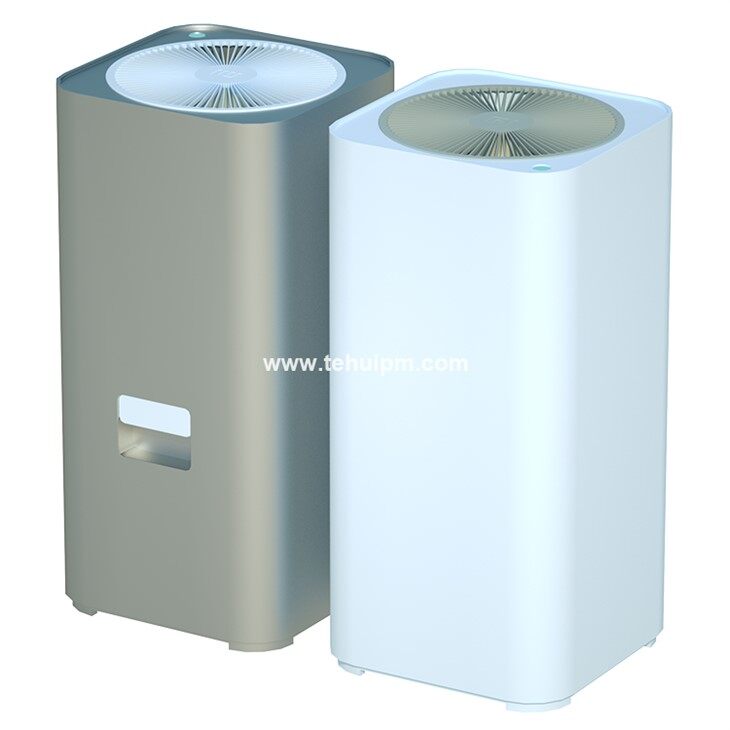
Air Purifier Mold is an injection mold specially used for producing air purifier shells and their internal components. Air purifier molds need to have a high degree of precision to ensure that the produced shells and components can fit tightly to meet the sealing and filtering effects of the air purifier. Since the air purifier will be exposed to various air pollutants during use, the mold material needs to have good wear resistance and corrosion resistance to ensure the service life and production efficiency of the mold.
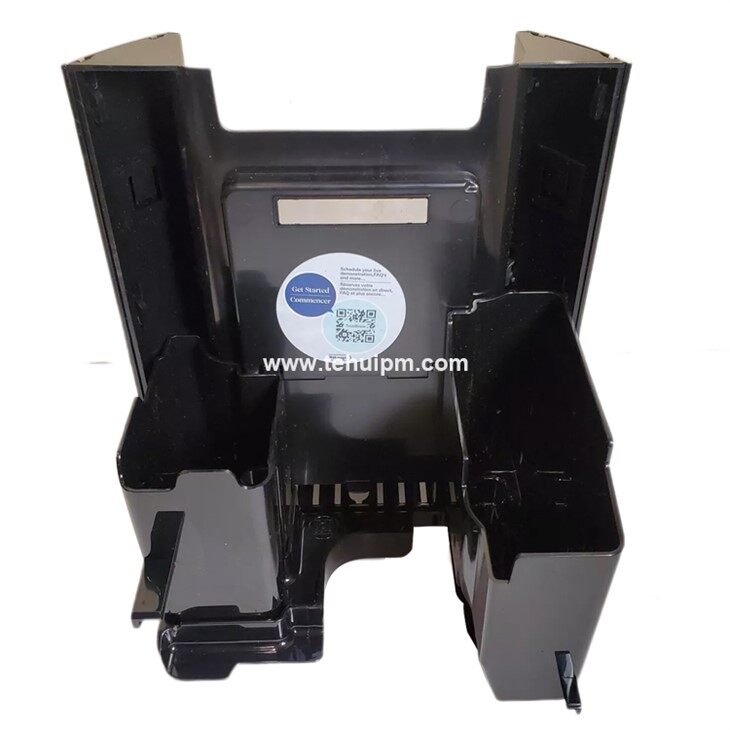
Coffee Machine Injection Molded Products
Coffee machine injection molding products are coffee machine parts or overall shells manufactured through the injection molding process. Injection molding is a manufacturing method in which molten plastic material is injected into a mold and solidified after cooling. Injection molding can produce high-precision coffee machine parts, ensure that the parts fit closely together, and improve the performance of the whole machine.
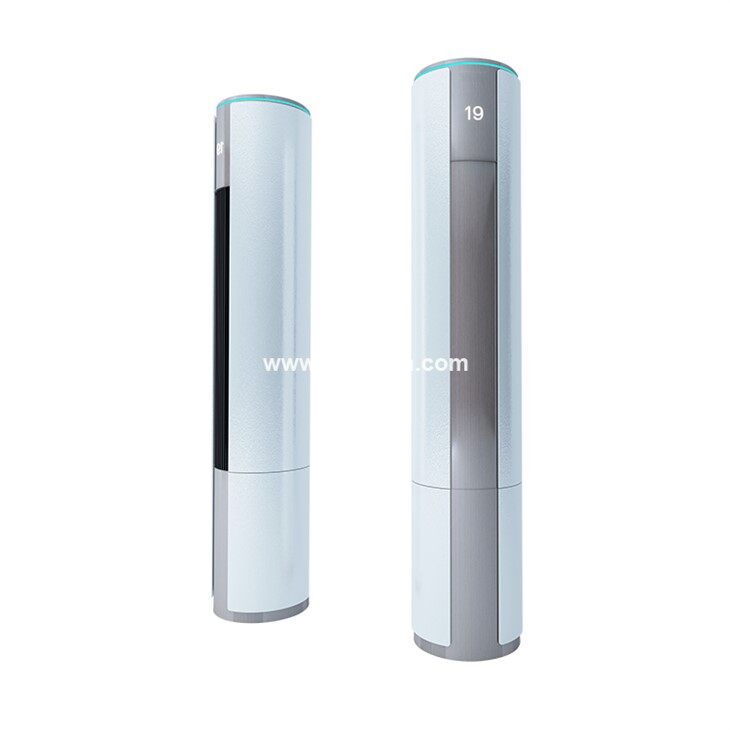
We provide high precision home appliance mold (refrigerator, washing machine, air conditioner, water Heater, air purifier, coffee machine, etc.)
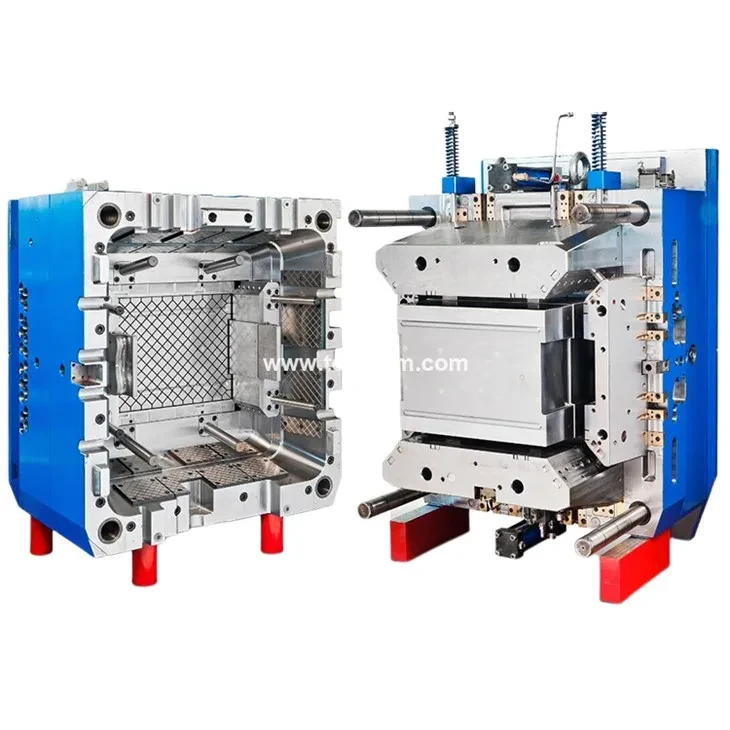
Home Appliance Mold refers to the mold or tool used in the manufacturing process of home appliances. These molds play a vital role in the manufacturing process and are mainly used to shape and manufacture various components and parts of home appliances. There are many types of home appliances, including but not limited to refrigerators, washing machines, microwave ovens, ovens, etc. The design and manufacturing quality of home appliance molds directly affect the performance, appearance and quality consistency of the final product.
Features of Home Appliance Mould
High Production Efficiency
Most home appliance molds use the injection molding process, which can achieve automation and mass production, greatly improving production efficiency. The injection molding machine can inject molten plastic into the mold cavity in a short time, and quickly demold after cooling to complete the production of the product.
High Precision
The design of home appliance molds needs to consider the precise size, shape and details of the product, so the manufacturing precision of the mold is very high. This high-precision design can ensure that the home appliance products produced have a neat appearance and consistent size, meeting the design requirements.
Strong Durability
Home appliance molds are usually made of high-quality mold steel or other alloy materials. These materials have high strength, high hardness and wear resistance, can resist wear and corrosion during the production process, and extend the service life of the mold. The structural design of the mold also has an important impact on its durability. Reasonable structural design can disperse stress, reduce wear, and keep the mold stable and reliable during long-term use.
How To Choose Home Appliance Mould?

Mold Material
The choice of mold material has a direct impact on the performance, durability and cost of the mold. When selecting household appliance mold materials, factors such as material hardness, wear resistance, corrosion resistance, thermal stability and processing performance need to be considered. Common mold materials include mold steel, stainless steel (such as S136), alloy steel, etc. Among them, S136 stainless steel has been widely used in household appliance mold manufacturing due to its excellent corrosion resistance and processing performance.
Mold Design
Mold design is the key to ensuring that the mold can produce household appliances that meet the requirements. Factors such as the shape, size, structure and injection molding process of the product need to be considered during design. Reasonable mold design can improve production efficiency, reduce production costs and extend the service life of the mold. In addition, mold design also needs to consider the design of auxiliary systems such as the mold's cooling system, exhaust system and demoulding mechanism.
Production Efficiency
Production efficiency is a factor that cannot be ignored in mold selection. Efficient molds can shorten production cycles, increase production speeds and reduce production costs. When selecting molds, factors such as the injection speed, molding cycle and degree of automation of the mold need to be considered to ensure that the mold can meet the needs of the production line.
How To Maintain Home Appliance Mould?
Surface Cleaning
After each use, plastic residues, oil stains and impurities on the mold surface should be removed in time. You can use a special mold cleaner or mild detergent, and wipe it with a soft cloth or sponge. Avoid using hard objects or highly corrosive detergents to avoid scratching the mold surface.
Lubrication
For sliding parts in the mold (such as ejectors, sliders, etc.), an appropriate amount of lubricating oil or grease should be applied regularly to reduce friction and wear.
Check The Mold Structure
Regularly check whether the various parts of the mold are intact, especially key parts such as the core and cavity, to ensure that there are no cracks, deformation or wear. If any damaged or severely worn parts are found, they should be replaced or repaired in time.
Check The Mold Structure
Regularly check whether the various parts of the mold are intact, especially key parts such as the core and cavity, to ensure that there are no cracks, deformation or wear. If any damaged or severely worn parts are found, they should be replaced or repaired in time.
Cooling System Inspection
For molds with cooling systems, the cooling water channels should be regularly checked to see if they are unobstructed and the cooling effect is good. If blockage or leakage is found, it should be cleaned and repaired in time.
Anti-Rust Treatment
The mold should be treated with anti-rust treatment when not in use to prevent rust and corrosion. A special anti-rust agent or anti-rust oil can be applied to the mold surface to form a protective film.
Storage Environment
The mold should be stored in a dry, ventilated, non-corrosive gas environment, avoiding direct sunlight and moisture. If the storage environment is humid, a dehumidifier or desiccant can be used to reduce the humidity.
Application Of Home Appliance Mould
Refrigerator Mold
Refrigerator molds mainly include upper and lower box molds, control panel molds, door handle molds, etc. These molds play a key role in the production of refrigerator products, ensuring that the various components of the refrigerator can be accurately matched to meet the overall design and performance requirements of the product.
Washing Machine Mold
Washing machine molds are mainly used to manufacture external and internal parts of washing machines, such as cover molds, dehydration cylinder molds, etc. The high precision and wear resistance of the molds enable the washing machine to maintain stable performance and appearance during the production process.
Air Conditioner Mold
Air conditioner molds include body molds, skateboard molds, back cover molds, etc., which are used to manufacture the shell and accessories of air conditioners. The diversity and complexity of molds enable air conditioner products to have diverse appearances and performances.
TV Mold
TV molds include front shell molds, back shell molds, base molds, etc., which are used to produce TV shells and brackets. The fine design and manufacture of molds ensure the beautiful appearance and stable performance of TV products.
Microwave Oven Mold
Microwave oven molds are mainly used to manufacture components such as cover plates and control panels of microwave ovens. The high temperature resistance and corrosion resistance of the molds enable microwave ovens to maintain stable performance during production and use.


