


Custom Mold
Kunshan Tehui Plastic Mold Co.,Ltd: Your Professional Custom Mold Supplier!
Founded in 2011, Kunshan Tehui Plastic Mold Co., Ltd is located in Kunshan, China. We have a standard factory of more than 6,500 square meters and 88 employees. Our normal annual output value is 80 million RMB, and we are a fast-growing enterprise. We have experience in manufacturing precision injection molds for export and have advanced mold development management mode.
Wide Range of Products
The company's main business is plastic mold development, manufacturing and injection molding, focusing on export plastic molds such as auto parts, air conditioners, sweepers, power tools, 3C accessories, coffee machines, etc., and its main customers are distributed in Europe, the United States, Japan and other places.
Leading Service
We have many years of industry experience and a complete production management, quality supervision and sales service operation system. If you want to buy our products, just send your needs by email and we can respond to you as soon as possible.
Complete Qualifications
We passed ISO9001/IATF16949 certification in 2011, in line with the international general automotive industry quality system.
Advanced Equipment
The company has world-leading mould processing equipment, such as five-axis linkage high-speed CNC, Taiwan high-speed CNA double-head EDM and other large-scale processing equipment, as well as more than 20 injection molding machines, CMM measurement, hardness tester, flaw detector and other equipment.


What is Custom Mold?
Custom mold refers to a mold designed, manufactured and produced according to the specific needs and requirements of customers. This mold is highly exclusive and personalized, and can meet customers' special requirements in terms of shape, size, material, precision, performance, etc.
Benefits of Custom Mold
Meet Personalized Needs
Customized molds are designed, manufactured and produced according to the specific needs and requirements of customers, so they can fully meet the personalized needs of customers. Whether it is the shape, size, material or performance requirements of the product, customized molds can provide precise solutions.
Improve Product Quality
Since customized molds are manufactured according to precise design drawings and customer needs, their accuracy and stability are usually high. This helps to ensure that the products produced have consistent high quality standards and reduce scrap and defective product rates.
Improve Production Efficiency
Customized molds can respond quickly to market changes and customer needs, and shorten product development and production cycles. This is of great significance to the rapidly changing market environment and customer needs. Customized molds are usually matched with automated production equipment, which can achieve efficient and stable automated production, improve production efficiency and capacity.
Applications of Custom Mold
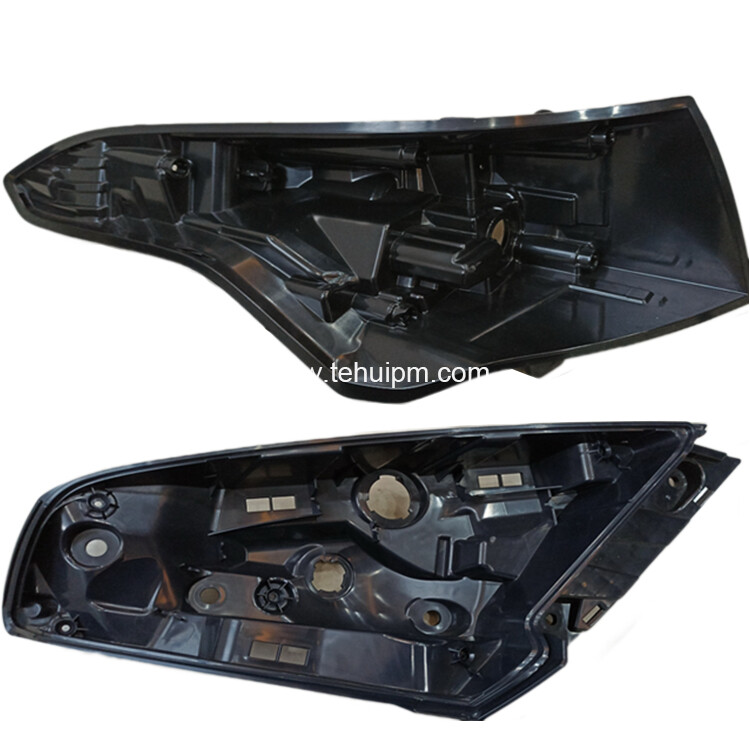

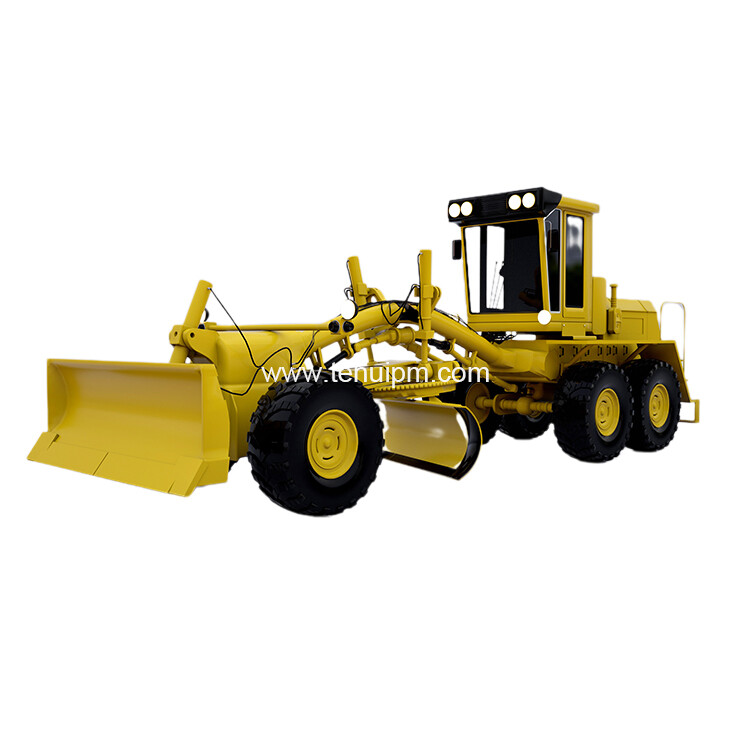

Automobile Manufacturing Industry
Automobiles are composed of a large number of complex parts, and the manufacture of these parts requires high-precision molds. Custom molds can ensure that the size, shape and performance of the parts meet the design requirements, thereby improving the quality and safety of the whole vehicle. The manufacture of automobile bodies is a key link in automobile production. Custom molds can accurately control the size and shape of each part of the body, achieve accurate molding and welding of the body, and improve the rigidity and lightness of the body. In addition, automobile interiors such as seats, dashboards, and audio systems also need to be molded and processed by customized molds. These molds can ensure the quality and appearance consistency of interior parts and improve driving and riding comfort.
Electronic Product Manufacturing Industry
The shells of electronic products such as mobile phones, computers, and home appliances are usually manufactured by injection molding. Custom molds can ensure the dimensional accuracy, appearance quality, and structural strength of the shells, meeting consumers' high requirements for product appearance and quality. There are also many precision parts in electronic products such as connectors and sockets that need to be produced by customized molds. These molds need to have high precision and high wear resistance to ensure the quality and performance of the parts.
Aerospace Industry
Many parts in aerospace vehicles such as engine blades and fuselage structural parts need to be produced by customized molds. These molds need to have high strength, high wear resistance, and high corrosion resistance to ensure the performance stability of parts in extreme environments.
Home Appliance Manufacturing
The outer shells and internal parts of home appliances such as televisions, refrigerators, and washing machines also need to be produced through customized molds. These molds can ensure the beautiful appearance and stable performance of the products.
Examples of Custom Mold
Auto Parts Mold
Description
Auto parts mold is an indispensable and important tool in the automotive manufacturing industry. It is mainly used to produce various parts of the car, including the car body, interior parts, wheels, lights, car water tanks and fuel tanks, etc. These molds are processed from raw materials into the required auto parts through specific molding processes such as stamping, injection molding, casting, etc.
Benefits
- Efficiency: Auto parts molds use advanced manufacturing technologies such as injection molding, blow molding, extrusion molding, etc., which can achieve efficient and large-scale production. This is essential to meet the high demand for parts in the automotive industry and to respond quickly to market changes.
- High precision: During the manufacturing process of the mold, the requirements for detail processing are extremely high. For example, the injection mold needs to handle various complex shapes such as bevels, transition curves, arcs, etc. to ensure the accuracy and appearance quality of the product. This high-precision requirement enables the automotive parts mold to ensure the dimensional accuracy and shape consistency of the parts during the production process.
- Durability: Auto parts molds have extremely strict requirements on materials, requiring the materials to meet certain standards in terms of strength, toughness, corrosion resistance, hardness, etc. This ensures that the mold can maintain stable performance and a long service life during long-term use, thereby reducing production and maintenance costs.
Uses
- Car body manufacturing: The car body is the basic structure of the car and has a vital impact on the safety and reliability of the car. Auto parts molds play a key role in the manufacturing process of the car body. Through precise mold design and manufacturing, the size, shape and assembly accuracy of each part of the car body can be ensured, thereby improving the overall quality and performance of the car body. The use of molds can also achieve lightweight design of the car body. By optimizing the mold structure and material selection, the weight of the car body can be reduced, and fuel economy and environmental performance can be improved.
- Car interior parts manufacturing: Car interior parts include seats, dashboards, audio systems, etc. These parts also need to be formed and processed by molds during the manufacturing process. The precise molding of the mold can ensure the quality and appearance consistency of the interior parts, and improve the comfort and aesthetics of driving and riding.
Industrial Trash Can Mold
Description
Industrial Trash Can Mold is a mold specially used for producing industrial trash cans. This mold is usually made by injection molding, blow molding or pressing to ensure that the produced trash can has a specific shape, size and durability.
Benefits
- Efficient production: Industrial trash can molds use advanced injection molding technology to achieve efficient, high-volume production. For industrial environments and public places that require a large number of trash cans, this can significantly improve production efficiency and meet a large number of needs.
- Accurate dimensions: During the mold manufacturing process, precision machining and strict quality control ensure that the dimensions of each trash bin are extremely accurate. This facilitates the stacking, transportation and storage of trash bins, while improving stability and aesthetics during use.
- Strong durability: Industrial trash can molds are usually made of high-quality materials, such as high-strength plastics, metals, etc. These materials have good wear resistance, corrosion resistance and impact resistance. Therefore, the produced trash cans also have a long service life and can withstand various harsh environments and usage conditions.
Application
- Factories and manufacturing workshops: In these places, industrial trash can molds are used to produce trash cans that can withstand various industrial wastes and environmental challenges. These trash cans need to be highly durable to withstand the corrosion of chemicals and frequent handling operations.
- Warehouses and logistics centers: During storage and transportation, warehouses and logistics centers generate a large amount of packaging waste and other garbage. The trash cans produced by industrial trash can molds help to effectively collect and sort these wastes and keep the environment clean.
- Construction sites: Construction sites generate a large amount of construction waste and waste, such as bricks, wood, concrete fragments, etc. Industrial trash can molds can produce trash cans that are strong enough and have large capacity to meet the needs of construction sites for waste sorting, collection and treatment.
- Public places: In public places such as parks, streets, shopping malls, etc., trash cans produced by industrial trash can molds are used to collect daily garbage and keep the urban environment clean and beautiful. These trash cans usually need to have a large capacity and clear classification signs to facilitate the public to put out garbage and promote garbage sorting.
Automotive Structural Parts
Description
Automotive structural parts are parts in the automobile body and chassis system that are used to bear and transfer loads and maintain the overall shape and rigidity of the automobile. They usually include the body frame, chassis frame, suspension system, transmission system, and various supports and connectors connected to them.
Benefits
- Strong bearing capacity: As the basic supporting structure of the car, the automotive structural parts need to bear the weight from the body, engine, passengers and cargo to ensure the stable posture and driving safety of the car.
- High efficiency of load transfer: During driving, the automotive structural parts can effectively transfer various dynamic loads (such as forces generated by acceleration, braking, turning, etc.) to the ground, so that the car can remain stable and controllable under various working conditions.
- Superior safety performance: In the event of accidents such as collisions, automotive structural parts can absorb and disperse collision energy, reduce the impact on passengers and vehicles, and improve the safety performance of the car.
- Lightweight design improves energy efficiency: With the widespread application of lightweight materials and the continuous advancement of design technology, automotive structural parts have achieved the goal of lightweight while achieving high strength and rigidity. This helps to reduce the curb weight of the car, reduce fuel consumption or extend the cruising range of electric vehicles, and improve energy utilization efficiency.
- Improve car handling and comfort: Reasonable design of automotive structural parts can optimize the suspension system and chassis structure of the car, improve the handling and comfort of the car. For example, by optimizing the stiffness and damping characteristics of the suspension system, the driving stability and ride comfort of the car can be improved.
- High durability and reliability: Automotive structural parts undergo a rigorous design and manufacturing process to ensure their high durability and reliability. This means that automotive structural parts can maintain stable performance and quality during long-term use, reduce the frequency of repairs and replacements, and reduce the cost of use for car owners.
Application
- Frame: The frame is the skeleton of the entire vehicle body, composed of various beams, columns, plates, etc., and is the main supporting structure of the vehicle. It bears the weight of the vehicle body, engine, suspension system and other components to ensure the stability and safety of the vehicle.
- Body coverings: Such as doors, windows, roofs, bottoms, etc., these components not only protect vehicle occupants and cargo, but are also closely connected to the frame through welding, riveting, etc., together forming the overall body of the vehicle.
- Axle: The axle is a component that connects the wheels and the body, and plays a supporting and steering role. It bears the weight of the vehicle and transmits the driving force and braking force of the wheels to the body.
Frequently Asked Questions
We're professional custom mold manufacturers and suppliers in China, specialized in providing high quality customized service. We warmly welcome you to buy high-grade custom mold at low price from our factory.
custom mold for sporting goods, custom mold for sustainable manufacturing, custom mold for digital transformation and manufacturing