


Plastic Household Products Mold
Kunshan Tehui Plastic Mold Co.,Ltd: Your Professional Plastic Household Products Mold Supplier!
Founded in 2011, Kunshan Tehui Plastic Mold Co., Ltd is located in Kunshan, China. We have a standard factory of more than 6,500 square meters and 88 employees. Our normal annual output value is 80 million RMB, and we are a fast-growing enterprise. We have experience in manufacturing precision injection molds for export and have advanced mold development management mode.
Wide Range of Products
The company's main business is plastic mold development, manufacturing and injection molding, focusing on export plastic molds such as auto parts, air conditioners, sweepers, power tools, 3C accessories, coffee machines, etc., and its main customers are distributed in Europe, the United States, Japan and other places.
Leading Service
We have many years of industry experience and a complete production management, quality supervision and sales service operation system. If you want to buy our products, just send your needs by email and we can respond to you as soon as possible.
Complete Qualifications
We passed ISO9001/IATF16949 certification in 2011, in line with the international general automotive industry quality system.
Advanced Equipment
The company has world-leading mould processing equipment, such as five-axis linkage high-speed CNC, Taiwan high-speed CNA double-head EDM and other large-scale processing equipment, as well as more than 20 injection molding machines, CMM measurement, hardness tester, flaw detector and other equipment.


What is Plastic Household Products Mold?
Plastic household products mold is a tool used in molding processes such as injection molding, blow molding, and extrusion, which defines the shape, size, and appearance of the final plastic product. Through the precise design and manufacture of the mold, the molten plastic raw material can be injected into the mold cavity, and after cooling and solidification, it can be demolded to obtain a plastic home product that is consistent with the shape of the mold.
Benefits of Plastic Household Products Mold
Efficient Production
Plastic household goods molds can achieve a highly automated production process through automated equipment such as injection molding machines, thereby greatly improving production efficiency. The mold design is reasonable and the injection molding process is smooth, which can complete the production of a large number of products in a short time to meet market demand.
High Material Utilization Rate
During the injection molding process, the raw materials are precisely controlled and injected into the mold, which reduces material waste and improves material utilization.
High Precision
The mold manufacturing precision is high, and the injection molded product size is accurate and consistent, which can meet strict quality requirements.
Applications of Plastic Household Products Mold
01
Home Appliance Industry
Plastic molds are widely used to produce the shells and accessories of various home appliances, such as TV back shells, refrigerator door panels, washing machine control panels, etc. These plastic products not only have beautiful appearance, but also have good durability and impact resistance.
02
Tableware And Kitchenware
Plastic molds can be used to produce various kitchen supplies, such as plastic bowls, cups, cutlery such as knives, forks and spoons, as well as kitchenware such as plastic cutting boards and plastic storage cans. These products are light and easy to carry, and easy to clean and disinfect.
03
Bathroom Supplies
Plastic molds are also widely used in the field of bathroom supplies, such as the production of plastic toothbrushes, mouthwash cups, bathroom storage boxes, etc. These products not only meet basic washing needs, but also improve the quality of life through exquisite design and practical functions.
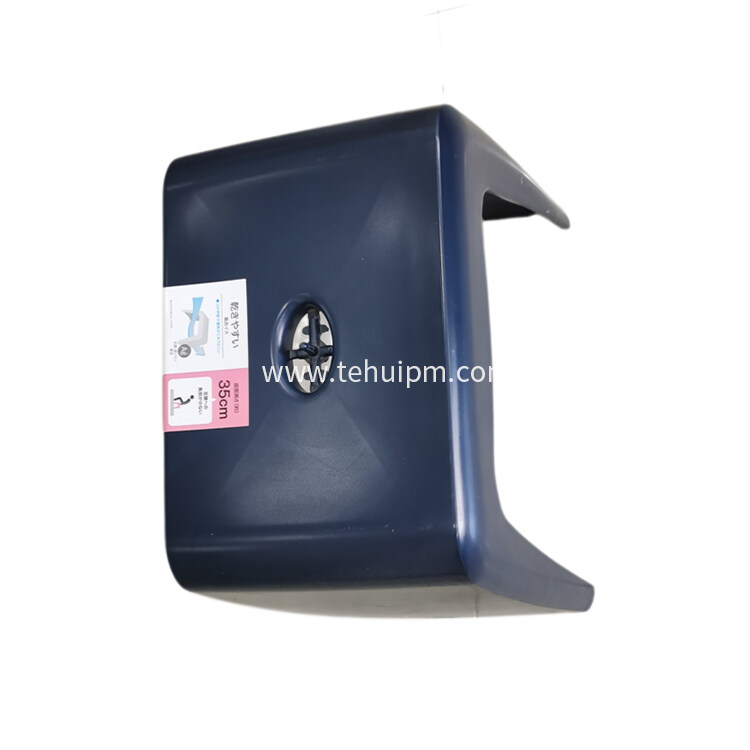
Examples of Plastic Household Products Mold
Kitchen Plastic Products
Description
Kitchen plastic products refer to a range of plastic products used in kitchen environments. These products are widely used in modern kitchens due to their lightness, durability, easy cleaning and cost-effectiveness.
Benefits
- Lightweight and durable: Plastics are lighter than metal or ceramics, making them easy to carry and store. They are not easy to break and are resistant to falling. They are unlikely to break even if they fall, which extends their service life.
- Easy to clean and maintain: Most kitchen plastic products have a smooth surface and are not easily stained with oil and food residues, which makes cleaning simple and quick. Some plastic containers with sealed lids or leak-proof designs can effectively prevent liquid leakage and keep the kitchen clean.
- Versatility: There are many types of kitchen plastic products, covering everything from tableware to storage containers, from cooking tools to kitchen storage, meeting diverse cooking and storage needs.
- Non-thermal conductivity: Plastic is a poor conductor, so plastic kitchen utensils will not transfer heat quickly when in contact with high-temperature objects, avoiding the risk of burns. Of course, when using, you still need to be careful to avoid placing plastic products directly under high temperatures (such as in an oven) to avoid melting or releasing harmful substances.
- Rich colors and beautiful appearance: Plastics can be made into a variety of colors and patterns through injection molding and dyeing processes, making kitchen plastic products more beautiful and fashionable, and can match different styles of kitchen decoration.
Uses
- Home kitchen: Home kitchen is the main application area of kitchen plastic products. These products include but are not limited to plastic tableware (such as knives, forks, spoons), plastic containers (such as fresh-keeping boxes, bowls, plates), kitchen utensils (such as cutting boards, scrapers, measuring cups, measuring spoons) and kitchen storage supplies (such as storage boxes, hooks, racks, etc.). These products not only meet the needs of daily cooking and food storage in the family, but also improve cooking efficiency and kitchen cleanliness.
- Catering industry: In the catering industry, kitchen plastic products also play an important role. Restaurants, fast food restaurants, take-out services and other places use a large number of plastic tableware and containers to provide food and services. These products are usually resistant to high temperatures, fall-resistant and easy to clean, which can meet the fast-paced working environment and food safety requirements of the catering industry.
- Food processing industry: The food processing industry is also one of the important application areas of kitchen plastic products. In the process of food processing, a large number of plastic containers and packaging materials are needed to store, transport and package food. These products need to have good sealing, corrosion resistance and low temperature resistance to ensure the safety and freshness of food.
- Supermarkets and retail stores: Fresh food and bakery areas in supermarkets and retail stores often use kitchen plastic products to display and sell food. These products, such as plastic trays, plastic wrap, and packaging bags, not only facilitate the display and sale of food, but also effectively extend the shelf life of food.
Plastic Tub Mold
Description
A plastic tub mold is a cavity tool with a specific shape and size. It is used in conjunction with various systems or auxiliary mechanisms in the mold to fill the high-temperature liquid plastic material into the mold cavity. After cooling and hardening, a plastic tub with the required shape, size, function and quality is formed.
Benefits
- Improve production efficiency: Plastic tub mold adopts advanced manufacturing processes and technologies to achieve fast and efficient production. Compared with traditional hand-made or inefficient production methods, mold-based production can significantly shorten the production cycle and increase output.
- Guarantee product quality: The precise design and manufacturing of the mold ensures the dimensional accuracy and shape consistency of the plastic bathtub. Bathtubs produced through molds have a higher level of quality, including surface finish, wear resistance, corrosion resistance, etc., and can meet the diverse needs of customers.
- Strong adaptability: Plastic tub mold can be quickly adjusted and optimized according to market demand. Regardless of the shape, size or functional requirements of the bathtub, the mold can be designed and modified accordingly to meet the needs of different customers.
Application
- Home and bathroom industry: Plastic tubs are one of the most common items in the bathroom, and their production is inseparable from plastic bathtub molds. The mold can ensure that the shape, size and details of the tub meet the design requirements, while achieving mass production to meet market demand.
- Hotels and resorts: Hotels and resorts usually require a large number of standardized guest room facilities, including bathtubs. Plastic tub molds can meet the needs of these places for the quantity and quality of tubs, ensuring the uniformity and high quality of guest room facilities.
Plastic Container Mold
Description
A plastic container mold refers to a specialized tool or mold used in the plastic container manufacturing process. It is designed to create a hollow shape or cavity that corresponds to the desired shape and size of the plastic container being produced. Molds are typically made of durable materials such as steel or aluminum and are precision engineered to ensure consistent and high-quality production of plastic containers.
Benefits
- Efficient production: Plastic container molds can quickly produce a large number of plastic containers and improve production efficiency. Once the mold design is completed and installed on the injection molding machine, automated production can be achieved, reducing manual operations and shortening the production cycle.
- Strong adaptability: Plastic container molds can be customized according to different design requirements and are suitable for the production of plastic containers of various shapes, sizes and functions. This flexibility enables the mold to meet the production needs of plastic containers in different industries and for different purposes.
- Easy maintenance and care: Plastic container molds are easy to maintain and maintain during use due to their relatively simple structure and durability. Regular maintenance and care can extend the service life of the mold and ensure that it always maintains a good production state.
Application
- Food and Beverage Industry: Plastic container molds are used to produce packaging containers for various foods and beverages, such as plastic bottles, plastic cans, plastic boxes, etc. These containers are lightweight, durable, transparent, and can protect the freshness and safety of food and beverages.
- Cosmetics and Personal Care: In the cosmetics industry, plastic container molds are used to produce packaging containers for various cosmetics, such as cream bottles, lotion bottles, spray bottles, etc. These containers are not only beautiful, but also can effectively protect the quality and stability of cosmetics.
- Pharmaceutical and Medical Industry: Plastic container molds also play an important role in the pharmaceutical industry, used to produce packaging containers for various medicines, such as medicine bottles, medicine boxes, etc. These containers need to meet strict hygiene and safety standards to ensure the quality and effectiveness of medicines.
- Chemical Industry: In the chemical industry, plastic container molds are used to produce storage containers for various chemicals, such as chemical barrels, storage tanks, etc. These containers need to have good corrosion resistance and sealing properties to ensure the safe storage and transportation of chemicals.
- Agriculture and Horticulture: In the fields of agriculture and horticulture, plastic container molds are used to produce packaging containers for various agricultural products, such as pesticide bottles, seed bags, etc. These containers protect the quality and purity of agricultural products while facilitating farmers' use and storage.
- Household and daily necessities: In households and daily life, plastic container molds are used to produce various storage containers, such as storage boxes, organizers, etc. These containers can help people organize and store items, making the home environment more tidy and orderly.
Frequently Asked Questions
We're professional plastic household products mold manufacturers and suppliers in China, specialized in providing high quality customized service. We warmly welcome you to buy high-grade plastic household products mold at low price from our factory.
plastic awl mold, plastic fishing reel mold, plastic toy boat mold