Industrial Trash Can Mold

Industrial Trash Can Mold

Industrial trash can mold is a special mold that processes plastic or other metal materials into trash can products that meet specific specifications and requirements through processes such as injection molding or die casting. These trash cans are widely used in factories, manufacturing workshops, warehouses, construction sites, and various industrial facilities to collect and process various types of waste and garbage to ensure a clean and safe working environment.
Send Inquiry
Description
Technical Parameters
Kunshan Tehui Plastic Mold Co.,Ltd: Your Professional Industrial Trash Can Mold Supplier!

Founded in 2011, Kunshan Tehui Plastic Mold Co., Ltd is located in Kunshan, China. We have a standard factory of more than 6,500 square meters and 88 employees. Our normal annual output value is 80 million RMB, and we are a fast-growing enterprise. We have experience in manufacturing precision injection molds for export and have advanced mold development management mode.

Wide Range of Products
The company's main business is plastic mold development, manufacturing and injection molding, focusing on export plastic molds such as auto parts, air conditioners, sweepers, power tools, 3C accessories, coffee machines, etc., and its main customers are distributed in Europe, the United States, Japan and other places.


Leading Service
We have many years of industry experience and a complete production management, quality supervision and sales service operation system. If you want to buy our products, just send your needs by email and we can respond to you as soon as possible.


Complete Qualifications
We passed ISO9001/IATF16949 certification in 2011, in line with the international general automotive industry quality system.


Advanced Equipment
The company has world-leading mould processing equipment, such as five-axis linkage high-speed CNC, Taiwan high-speed CNA double-head EDM and other large-scale processing equipment, as well as more than 20 injection molding machines, CMM measurement, hardness tester, flaw detector and other equipment.


Our Related Products
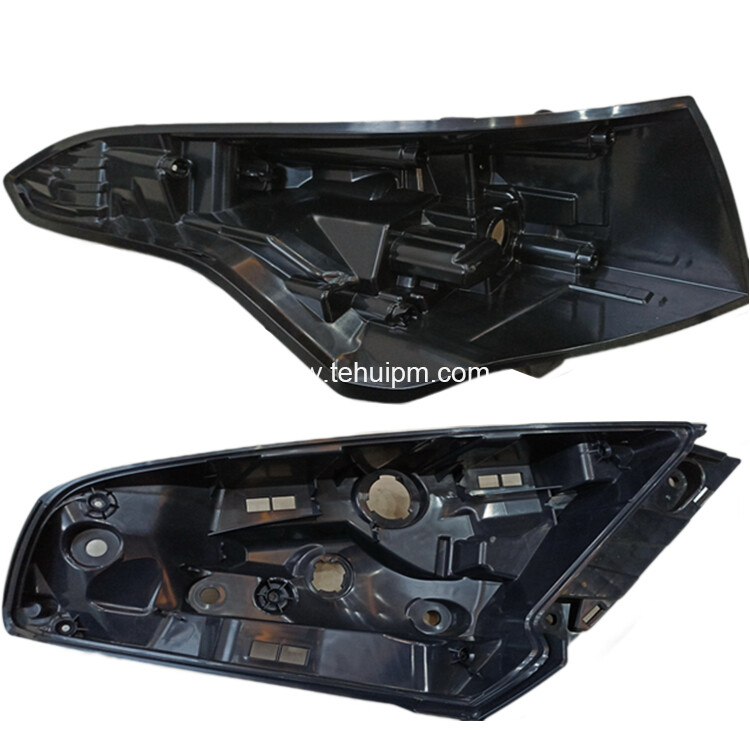
 
汽车零部件模具

Auto Parts Mold

Auto parts mold is a mold used to mold auto parts. As the mother of industry, mold is the foundation of industry and is widely used in various fields, including the manufacturing of plastics, electronics, automobiles, motors, home appliances and communications. In the manufacturing process of auto parts, molds play a vital role, and their quality directly determines the quality of parts.
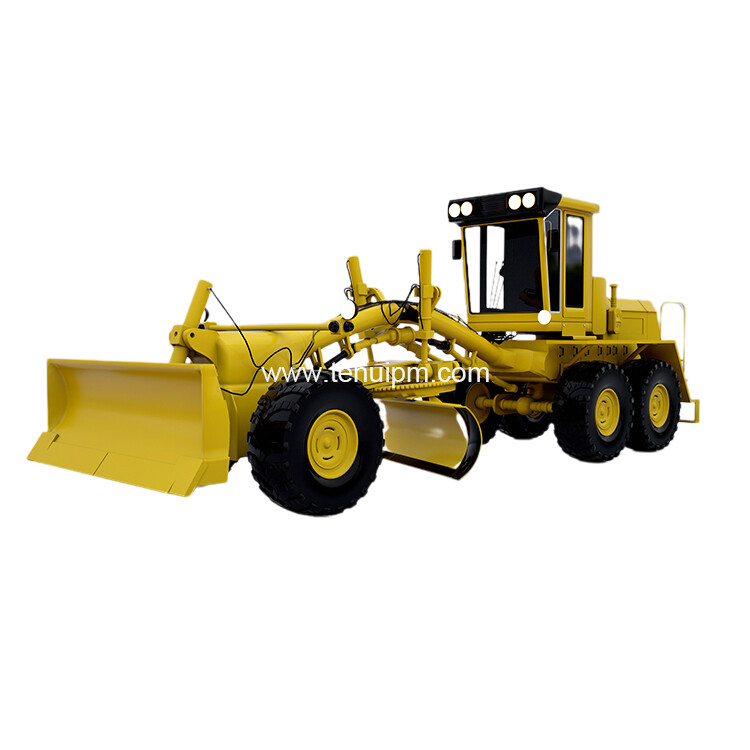
大型模具

Large Mold

Industrial large-scale molds are usually larger in size and heavier in weight to meet the needs of large-scale production. Their design and manufacturing process are complex, requiring high-precision processing technology and strict quality control. They are widely used in many fields such as automobiles, aerospace, railway transportation, and construction engineering, such as the production of automobile bodies, engine parts, aircraft fuselages, railway vehicles, etc.

product-750-750

Automotive Structural Parts

Automotive structural parts refer to the four basic components of a car, including the engine, chassis, body, and electrical equipment. Automotive structural parts are key components that constitute the main structure of a car. They work together to ensure the normal operation and safety of the car.
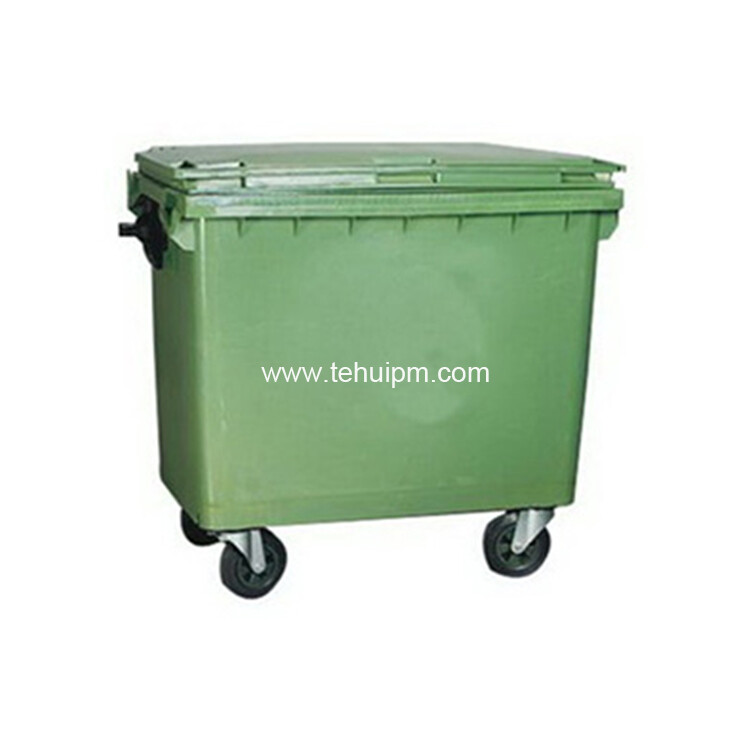
Industrial Trash Can Mold

Industrial Trash Can Mold

Industrial trash can mold, effectively shorten the molding cycle, improve production efficiency. We have manufactured industrial trash cans 60L, 120L,240L,330L, 480L...


Brief Introduction to Industrial Trash Can Mold


Industrial trash can mold is a special mold that processes plastic or other metal materials into trash can products that meet specific specifications and requirements through processes such as injection molding or die casting. These trash cans are widely used in factories, manufacturing workshops, warehouses, construction sites, and various industrial facilities to collect and process various types of waste and garbage to ensure a clean and safe working environment.


Features of Industrial Trash Can Mold

Efficient Production
The mold design is precise and can efficiently produce a large number of standardized trash can products. Through processes such as injection molding or die casting, mass production can be completed in a short time to meet market demand.


Quality Assurance
The mold material and manufacturing process are excellent, ensuring the stable and reliable quality of the trash can products produced. The accuracy of the mold ensures the consistency of the size, shape and function of the trash can, and improves the overall quality of the product.


Customizability
The mold design is flexible, and trash can products of different specifications, shapes and functions can be customized according to customer needs. This customizability meets the garbage collection needs of different industries and scenarios, and improves the applicability and market competitiveness of the product.


Durability
The mold is usually made of high-strength, wear-resistant materials, can withstand high temperature and high pressure injection molding or die casting processes, and has a long service life. This enables the mold to maintain stable performance during long-term use, reducing production costs and maintenance costs.


Automated Production
With the continuous development of industrial automation technology, industrial trash can molds can be combined with automated production lines to achieve automated production. This can not only improve production efficiency and quality stability, but also reduce the risks and costs of manual operations.


Industrial Trash Can Mold
How To Choose Industrial Trash Can Mold?

Strength And Durability
The mold needs to be made of high-strength, wear-resistant materials, such as high-quality steel or aluminum alloy, to ensure that it can withstand the high temperature and high pressure injection or die-casting process and maintain stable performance during long-term use.

Mold Design
The design of the mold needs to be accurate to ensure that the trash can products produced meet the design requirements, including accuracy in size, shape, function, etc. The mold design should have a certain degree of flexibility to meet the production needs of trash can products of different specifications, shapes and functions. This includes design features such as mold adjustability and replaceability.

Production Efficiency
The mold should be able to efficiently produce a large number of standardized trash can products to reduce production costs and improve market competitiveness. Consider the compatibility of the mold with the automated production line to achieve automated production and improve production efficiency and stability.


How To Maintain Industrial Trash Can Mold?
 

Regular Cleaning
After each use, the mold should be thoroughly cleaned to remove residual plastic fragments, oil stains and other impurities. This helps prevent rust and corrosion on the mold surface while maintaining the precision and finish of the mold.


Anti-Rust Treatment
When the mold is out of use, it should be promptly treated with anti-rust. Anti-rust oil or anti-rust grease can be applied to the mold surface, especially the molding part and the main moving parts, to prevent rust. Anti-rust oil is suitable for short-term storage, while anti-rust grease is suitable for long-term storage.


Check The Mold Structure
Regularly check whether the mold structure is intact and whether there are problems such as cracks, deformation or wear. For any problems found, repair or replace damaged parts in time.


Check The Water System
The water system of the mold is essential for cooling and preventing overheating. The waterway should be regularly checked for unobstructed water flow and for any leakage or blockage. If necessary, it can be cleaned and unblocked.


Check Fasteners
The fasteners of the mold (such as screws, nuts, etc.) should be regularly checked for their tightness to prevent mold damage or loss of precision due to looseness.


Proper Storage
The mold should be stored in a dry, ventilated, dust-free environment, away from direct sunlight and moisture. For large molds, if the upper and lower parts are stored separately, the working part should be covered with cardboard or wood to prevent surface damage.


Application Of Industrial Trash Can Mold


Industrial Production And Waste Management
Industrial trash can molds are key tools for manufacturing industrial trash cans, which are widely used in various industrial production environments, such as factories, manufacturing workshops, warehouses, construction sites, etc. Their main function is to collect and process waste and garbage generated during the production process to ensure a clean and safe working environment.


City And Community Management
In cities and communities, trash cans made from industrial trash can molds also play an important role. They are placed in public places such as streets, parks, shopping malls, etc., to facilitate citizens to put out garbage, reduce littering, and maintain the hygiene and beauty of the public environment.


Frequently Asked Questions
 

Q: What is industrial trash can mold?

A: Industrial trash can molds are made of plastic, metal or other materials into trash can products that meet specific specifications and requirements through processes such as injection molding or die casting. Industrial trash can molds are usually made of high-quality steel or aluminum alloys, which have the characteristics of high strength, wear resistance, high temperature resistance and corrosion resistance, which can ensure that the mold maintains stable performance and precision during long-term use.

Q: What factors affect the durability of industrial trash can mold?

A: Material selection: The materials selected during mold manufacturing have a direct impact on its durability. High-strength, wear-resistant, and corrosion-resistant materials such as high-quality steel or aluminum alloys can significantly improve the durability of the mold.
Manufacturing process: The manufacturing process of the mold also affects its durability. The use of advanced processing technology and equipment, such as high-precision CNC machine tools, EDM, etc., can ensure the dimensional accuracy and surface quality of the mold, thereby increasing its service life.
Maintenance: Regular cleaning, lubrication and inspection are important measures to maintain the durability of the mold. Timely remove dirt and residues on the mold surface to prevent rust and corrosion; regularly lubricate the mold to reduce wear and friction; regularly check the wear and structural integrity of the mold, and repair or replace damaged parts in a timely manner.
Storage method: Proper storage method is also key to maintaining the durability of the mold. Molds should be stored in a dry, ventilated, dust-free environment away from direct sunlight and moisture. At the same time, avoid stacking the mold too high or being squeezed by heavy objects to prevent it from being deformed or damaged.

Q: What are the advantages of industrial trash can mold?

A: Rapid prototyping: Injection mold technology enables rapid prototyping of trash can molds, greatly shortening the production cycle. Compared with traditional manufacturing methods, injection molds can significantly improve production efficiency and meet the needs of mass production.
Mass production: Industrial trash can molds are suitable for mass production and can meet the market's extensive demand for trash can products. This efficient production method helps reduce production costs and improve market competitiveness.
Precision and stability: The injection mold has high precision and stability, which can ensure that the produced trash can products are accurate in size and regular in shape. This high-quality product helps improve user experience and meet the needs of different occasions.
Durability: Industrial trash can molds are usually made of high-strength, corrosion-resistant materials, such as steel, aluminum, etc. These materials have excellent durability and wear resistance, allowing the trash can products to withstand long-term use and harsh environments.

Q: What are the disadvantages of industrial trash can mold?

A: Mold design and manufacturing: The design and manufacture of industrial trash can molds require high-precision processing equipment and professional technicians, which leads to a high initial investment cost for the mold. For small and medium-sized enterprises, this may be a considerable expense.
Complex mold replacement and maintenance: If the style or specifications of the trash can change, the corresponding mold needs to be replaced. The mold replacement process is complicated and time-consuming, which may affect production efficiency. In addition, the mold may suffer from wear and deformation during use, and regular maintenance and maintenance are required. The maintenance of the mold requires professional technology and equipment. If it is not properly maintained, it may cause the mold to be scrapped and increase production costs.
Strong mold dependence: Industrial trash can molds are usually customized according to specific needs, which leads to poor versatility of the mold. Once the mold is damaged or cannot meet production needs, it may be necessary to redesign and manufacture a new mold, which increases the uncertainty and risk of production.

Q: What material is the industrial trash can mold made of?

A: Industrial trash can molds are usually made of high-quality steel or aluminum alloy. These materials have the characteristics of high strength, wear resistance, high temperature resistance and corrosion resistance, which can ensure that the mold maintains stable performance and precision during long-term use. At the same time, these materials are also easy to process and repair, which is convenient for mold manufacturing and maintenance.

Q: What factors affect ease of use of industrial trash can mold?

A: Opening design: The opening size and shape of the trash can directly affect the convenience of garbage placement. Reasonable opening design can reduce the difficulty of placement and improve the efficiency of use.
Material selection: Selecting molds made of materials with excellent properties such as corrosion resistance, wear resistance, and high temperature resistance can produce durable trash can products. This not only extends the service life of the product, but also reduces the frequency of replacement, thereby improving the convenience of use.
Easy to clean and maintain: Designing trash can products that are easy to clean and maintain can reduce the user's cleaning workload and improve the convenience of use.

Q: What is the main function of industrial trash can mold?

A: The main function of industrial trash can molds is to manufacture trash cans for use in industrial environments. These molds process plastic or other metal materials into trash can products that meet specific specifications and requirements through processes such as injection molding or die casting. These trash cans are widely used in industrial facilities such as factories, manufacturing workshops, warehouses, construction sites, etc. to collect and process various types of waste and garbage to ensure a clean and safe working environment.

Q: How does the industrial trash can mold work?

A: During the manufacturing process, molten plastic or metal materials are injected into the mold, and then through the cooling and hardening process, the structure of the trash can is finally formed. This injection molding or die-casting technology can efficiently produce large quantities of trash cans, and can customize trash cans of different specifications and types to meet various industrial needs.

Q: What are the key elements in the design of industrial trash can molds?

A: The design of industrial trash can molds includes several key elements, such as mold structure, parting surface, gate position, cooling system, etc. The structural design of the mold needs to take into account the shape, size and functional requirements of the trash can to ensure the fluidity and uniformity of plastic or metal materials during injection or die casting. The design of the parting surface is related to the opening and closing of the mold and the demolding of the product, and it is necessary to ensure that the product can be smoothly removed from the mold without damage. The design of the gate position and the cooling system affects the molding quality and production efficiency of the product, and requires reasonable layout and optimized design.

Q: What are the precautions for the maintenance of industrial trash can molds?

A: Regular cleaning: The mold should be thoroughly cleaned after each use to remove residual plastic fragments, oil stains and other impurities to prevent rust and corrosion on the mold surface.
Anti-rust treatment: The mold should be promptly treated with anti-rust when it is out of use, and anti-rust oil or anti-rust grease should be applied to prevent rust.
Regular inspection: Regularly check whether the mold structure is intact, whether there are cracks, deformation or wear, and repair or replace damaged parts in time.
Storage environment: The mold should be stored in a dry, ventilated, dust-free environment, avoiding direct sunlight and moisture.

Q: How to judge the quality of industrial trash can molds?

A: Surface finish: The mold surface should be flat and smooth, without obvious defects such as bumps, scratches and bubbles. These defects not only affect the appearance quality of the product, but may also reduce the service life of the mold.
Color uniformity: The color of the mold surface should be uniform and consistent, without defects such as color difference and spots. Color uniformity reflects the uniformity of the mold material and the stability of the processing process.
Anti-corrosion and rust resistance: There should be no corrosion and rust on the mold surface. Molds with good anti-corrosion and rust resistance can ensure long-term stability and reliability.
Material hardness: The hardness of the mold material should meet the design requirements to ensure that the mold has sufficient pressure resistance and wear resistance during use.
Material strength: The strength of the mold material is also one of the key factors, which determines whether the mold can withstand various mechanical effects in the production process without breaking or deformation.
Wear resistance: The wear resistance of the mold material directly affects its service life. Materials with good wear resistance can reduce the wear of the mold and improve production efficiency and product quality.
Processing accuracy: The processing accuracy of the mold should meet the design requirements, including the processing size, shape and position accuracy of each component. The level of processing accuracy directly determines the overall performance and product quality of the mold.
Assembly accuracy: The assembly accuracy of the mold is equally important. The various components need to be precisely matched to ensure that the mold can work properly during use and produce products that meet the standards.
Design rationality: The design of the mold should fully consider the product's usage requirements and production process requirements to ensure that the mold structure is reasonable and easy to process and repair.
Production process: The production process of the mold is also one of the important factors affecting quality. Advanced production technology can ensure the accuracy and stability of the mold, improve product quality and production efficiency.

Q: What common faults may industrial trash can mold encounter during use?

A: Mold wear: Long-term use and frequent injection molding operations will cause wear on the mold surface and internal structure. In addition, the selection of mold materials and heat treatment processes will also affect its wear resistance. Mold wear will lead to unstable product dimensions, increased surface roughness, and even cracks and fractures.
Cooling system problems: It is caused by unreasonable design or improper maintenance of the cooling system, such as water channel blockage, insufficient cooling water flow, or inaccurate temperature control. Cooling system problems will cause uneven mold temperature distribution, affecting the cooling speed and molding quality of the product, and in severe cases will cause mold deformation or damage.
Unstable injection pressure: It is caused by improper pressure adjustment of the injection molding machine, hydraulic system failure, or unreasonable mold design. Unstable injection pressure will affect the filling effect and density distribution of the product, resulting in defects such as shrinkage holes and bubbles in the product.
Send Message