

What is the lifespan of a custom - made mold?
As a seasoned supplier in the field of Custom Mold Making, I've encountered numerous inquiries regarding the lifespan of custom - made molds. Understanding the factors that influence a mold's lifespan is crucial for businesses, as it directly impacts production costs, efficiency, and product quality. In this blog, I'll delve into the key aspects that determine how long a custom - made mold can serve, and I'll also provide some insights on extending its useful life.
Factors Affecting the Lifespan of a Custom - Made Mold
1. Material of the Mold
The choice of material for a custom - made mold is one of the most significant factors affecting its lifespan. High - quality tool steels, such as P20, H13, and S7, are commonly used in mold making due to their excellent mechanical properties. P20 is a pre - hardened steel that offers good machinability and wear resistance, making it suitable for medium - production runs. H13, on the other hand, is a hot - work tool steel known for its high thermal fatigue resistance, which is ideal for molds used in high - temperature processes like die - casting. S7 steel has high impact toughness, making it a great choice for molds that are subject to sudden shock loads.
If a mold is made from a low - quality material, it may wear out quickly, develop cracks, or deform under normal operating conditions. For instance, a mold made from a soft steel may experience excessive wear on its cavity surfaces, leading to dimensional inaccuracies in the molded parts. On the contrary, a mold crafted from high - grade tool steel can withstand a large number of production cycles before showing signs of significant wear.
2. Complexity of the Mold Design
The complexity of a custom - made mold design also plays a vital role in determining its lifespan. Molds with intricate geometries, thin walls, or undercuts are more challenging to manufacture and are more prone to stress concentrations. These stress concentrations can lead to premature cracking and failure of the mold.
For example, a mold for Plastic Parts for Electronic Products often has very fine features and tight tolerances. The manufacturing process for such a mold requires high - precision machining and careful heat treatment to ensure its structural integrity. If the design is too complex and not properly optimized, the mold may not be able to withstand the repeated injection and ejection forces during the production process, resulting in a shorter lifespan.
3. Production Volume and Frequency
The production volume and frequency of using a custom - made mold have a direct impact on its wear and tear. A mold that is used for high - volume production runs will naturally experience more wear than one used for low - volume production. Similarly, a mold that is in continuous use without proper maintenance intervals will also have a shorter lifespan.
For example, a mold used in the production of Home Use Plastic Items may have different production requirements. If it is used to produce a large number of items every day, the mold's surfaces will be subjected to constant friction and pressure from the molten plastic. Over time, this can cause the mold to wear out, and the quality of the molded parts may start to decline.
4. Operating Conditions
The operating conditions under which a custom - made mold is used can significantly affect its lifespan. Factors such as temperature, pressure, and the type of plastic material being molded all play a role. High - temperature molding processes, such as those used for engineering plastics, can cause thermal expansion and contraction of the mold, leading to internal stresses and potential cracking.
Excessive pressure during the injection molding process can also cause the mold to deform or damage. Additionally, some plastic materials may be abrasive or corrosive, which can wear down the mold surfaces over time. For example, glass - filled plastics are more abrasive than unfilled plastics and can cause faster wear on the mold cavity.
Estimating the Lifespan of a Custom - Made Mold
It's difficult to provide an exact lifespan for a custom - made mold, as it depends on the factors mentioned above. However, we can generally classify molds into different categories based on their expected production cycles:
1. Prototype Molds
Prototype molds are typically used for small - scale production or for testing new product designs. These molds are often made from less expensive materials and may have a simpler design. Prototype molds can usually withstand anywhere from a few hundred to a few thousand production cycles before they need to be replaced or repaired.
2. Low - Volume Production Molds
Molds used for low - volume production, typically up to 10,000 - 50,000 cycles, are designed to be cost - effective while still maintaining a reasonable level of quality. These molds are often made from pre - hardened tool steels and can provide a good balance between performance and cost.
3. High - Volume Production Molds
High - volume production molds are designed to withstand hundreds of thousands or even millions of production cycles. These molds are made from high - grade tool steels and are subjected to rigorous manufacturing processes, including precision machining, heat treatment, and surface finishing. They are also often equipped with advanced cooling and ejection systems to ensure consistent performance over a long period.
Extending the Lifespan of a Custom - Made Mold
1. Proper Maintenance
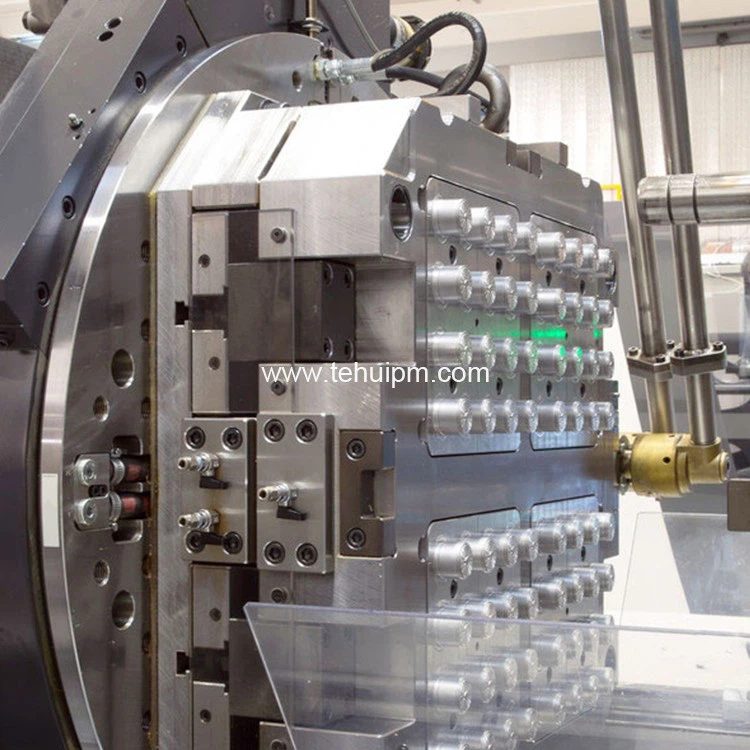
Regular maintenance is essential for extending the lifespan of a custom - made mold. This includes cleaning the mold after each production run to remove any residual plastic, lubricating the moving parts, and inspecting the mold for signs of wear or damage. If any issues are detected, they should be addressed promptly to prevent further damage.

2. Correct Operating Procedures
Following the correct operating procedures is crucial for ensuring the longevity of a mold. This includes setting the appropriate temperature, pressure, and injection speed during the molding process. Operators should also be trained to handle the mold properly, including loading and unloading the parts without causing any damage to the mold.
3. Quality Control
Implementing a strict quality control system can help identify any potential issues with the mold early on. This includes inspecting the molded parts for dimensional accuracy, surface finish, and other quality parameters. If any deviations are detected, the mold can be adjusted or repaired before the problem becomes more severe.
Conclusion
In conclusion, the lifespan of a custom - made mold is influenced by a variety of factors, including the material, design, production volume, and operating conditions. By understanding these factors and taking appropriate measures to extend the mold's lifespan, businesses can reduce production costs, improve product quality, and increase overall efficiency.
If you're in the market for high - quality Custom Mold Making, I encourage you to reach out to us. We have a team of experienced engineers and technicians who can design and manufacture custom molds to meet your specific requirements. Whether you need a prototype mold for a new product or a high - volume production mold, we have the expertise and resources to deliver a solution that meets your needs. Contact us today to start a discussion about your mold - making requirements.
References
- "Tool and Die Making Handbook" by George Dieter
- "Injection Molding Handbook" by O. Olafsson