

Custom injection, also known as custom plastic injection molding, is a highly versatile and widely - used manufacturing process. As a custom injection supplier, I've witnessed firsthand the numerous benefits and applications of this technique.
At its core, custom injection involves injecting molten plastic material into a custom - designed mold. The mold is precisely engineered to create a specific part or product. The process begins with the design phase, where engineers use advanced computer - aided design (CAD) software to create a digital model of the desired part. This digital model is then used to manufacture the mold, typically made from steel or aluminum.
The choice of plastic material is crucial in custom injection. There are a wide variety of plastics available, each with its own unique properties such as strength, flexibility, transparency, and heat resistance. For instance, acrylonitrile butadiene styrene (ABS) is a popular choice due to its high impact strength and good surface finish. Polycarbonate, on the other hand, is known for its excellent clarity and high - temperature resistance, making it suitable for applications where optical clarity and heat stability are required.
Once the mold is ready and the plastic material is selected, the manufacturing process kicks off. The plastic resin is fed into a heated barrel, where it is melted and then forced under high pressure into the mold cavity. The pressure ensures that the molten plastic fills every nook and cranny of the mold, taking on its exact shape. After the plastic has cooled and solidified, the mold opens, and the finished part is ejected.

One of the key advantages of custom injection is its ability to produce complex parts with high precision. The molds can be designed to create parts with intricate geometries, fine details, and tight tolerances. This makes it ideal for industries such as electronics, automotive, and medical, where precision is of utmost importance. For example, in the electronics industry, custom injection is used to produce Plastic Parts for Electronic Products such as connectors, housings, and switches. These parts need to fit together perfectly and provide reliable performance.
Another significant benefit is its cost - effectiveness for large - scale production. Once the initial investment in the mold is made, the cost per part is relatively low. This is because the injection molding process is highly automated, allowing for high - volume production with minimal labor costs. Additionally, the scrap rate is usually low, as the excess plastic can often be recycled and reused.
Custom injection also offers a high degree of flexibility. The same mold can be used to produce parts in different colors by simply changing the plastic resin. This is particularly useful for consumer products, where manufacturers may want to offer a variety of color options to appeal to different customers.
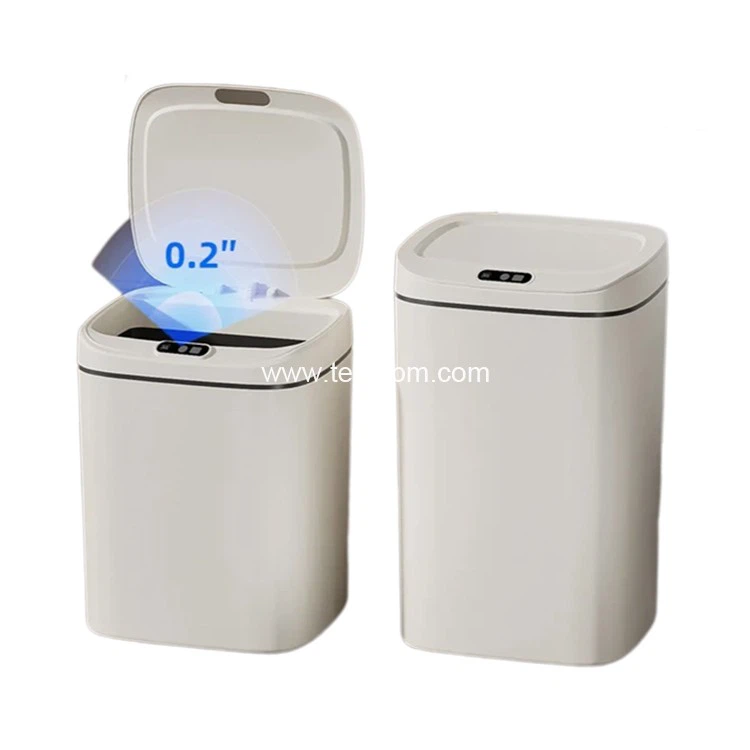
In the home goods market, custom injection is used to create a wide range of Home Use Plastic Items. From kitchen utensils to storage containers, the process enables the production of durable, functional, and aesthetically pleasing products. These items can be designed with ergonomic features for ease of use and can be mass - produced to meet the high demand in the consumer market.
Custom mold making is an integral part of the custom injection process. Custom Mold Making requires a high level of expertise and precision. The mold maker needs to consider factors such as the draft angle, which allows the part to be ejected from the mold easily, and the gate location, which affects the flow of the molten plastic into the mold. Advanced manufacturing techniques such as CNC machining are often used to create molds with high accuracy and surface finish.
However, custom injection also has its challenges. The initial cost of mold making can be quite high, especially for complex parts. This means that it may not be the most cost - effective option for small - scale production. Additionally, the design and manufacturing of the mold can take a significant amount of time, which may delay the start of production.
Quality control is also a critical aspect of custom injection. As a supplier, we implement strict quality control measures at every stage of the process. We use advanced inspection equipment such as coordinate measuring machines (CMM) to ensure that the parts meet the required specifications. Any defective parts are identified and removed from the production line to prevent them from reaching the customer.
In terms of environmental impact, custom injection has made significant strides in recent years. Many plastic materials used in the process are now recyclable, and efforts are being made to reduce the energy consumption during the manufacturing process. For example, some injection molding machines are designed to use less energy while still maintaining high productivity.
In conclusion, custom injection is a powerful manufacturing process with a wide range of applications. Whether you're in the electronics, automotive, consumer goods, or any other industry that requires high - quality plastic parts, custom injection can provide a cost - effective and reliable solution. As a custom injection supplier, we are committed to providing our customers with the best possible products and services. We have a team of experienced engineers and technicians who can work closely with you to design and manufacture the perfect parts for your needs.
If you're interested in learning more about custom injection or would like to discuss a potential project, we encourage you to reach out to us. We're always happy to have a conversation about your requirements and see how we can help you bring your ideas to life.
References
- "Injection Molding Handbook" by O. Osswald, T. Turng, and P. Gramann
- "Plastics Materials and Processes" by B. P. Grady