

Custom injection and casting are two prevalent manufacturing processes used to create parts and products across a wide range of industries. As a custom injection supplier, I've witnessed firsthand the unique characteristics and applications of both methods. In this blog post, I'll delve into the differences between custom injection and casting, exploring their processes, materials, precision, and more.
The Process
Let's start by understanding the fundamental processes of custom injection and casting.
Custom Injection
Custom injection molding is a highly automated process that involves injecting molten material, typically plastic, into a custom-designed mold. Here's a step-by-step breakdown:
- Material Preparation: The raw plastic material, usually in the form of pellets, is loaded into a hopper. The material is then fed into a heated barrel where it is melted.
- Injection: Once the plastic is molten, a screw or plunger forces it through a nozzle and into the mold cavity under high pressure.
- Cooling and Solidification: The molten plastic fills the mold cavity and takes its shape. It then cools and solidifies inside the mold.
- Ejection: After the plastic has solidified, the mold opens, and the part is ejected.
This process is known for its high speed and efficiency, making it ideal for large production runs. For example, when producing Home Use Plastic Items, custom injection molding can churn out a large number of identical parts in a short period.
Casting
Casting, on the other hand, is a more traditional process that involves pouring a liquid material into a mold. There are several types of casting, including sand casting, investment casting, and die casting. Here's a general overview of the casting process:
- Mold Preparation: A mold is created, which can be made from various materials such as sand, metal, or ceramic.
- Melting the Material: The material, which can be metal, plastic, or resin, is melted in a furnace.
- Pouring: The molten material is poured into the mold cavity.
- Cooling and Solidification: The material cools and solidifies inside the mold.
- Removal: Once the material has solidified, the mold is removed, and the part is finished.
Casting is often used for producing large or complex parts, as well as parts with unique shapes. It's also suitable for small production runs, as the mold-making process can be less expensive compared to custom injection molding for low volumes.
Materials
The choice of materials is another significant difference between custom injection and casting.
Custom Injection
Custom injection molding is primarily used with thermoplastic materials. These materials can be melted and re-melted multiple times without significant degradation, making them suitable for recycling. Some common thermoplastics used in custom injection molding include:
- Polyethylene (PE): A versatile plastic known for its low cost, high flexibility, and chemical resistance. It's commonly used in packaging, toys, and household items.
- Polypropylene (PP): Another widely used plastic, polypropylene is lightweight, strong, and has good heat resistance. It's used in automotive parts, medical devices, and food containers.
- Polystyrene (PS): Polystyrene is a rigid plastic that is easy to process and has excellent clarity. It's used in packaging, disposable cutlery, and insulation.
In addition to thermoplastics, custom injection molding can also use engineering plastics, which offer superior mechanical, thermal, and chemical properties. These plastics are often used in applications such as Plastic Parts for Electronic Products.
Casting
Casting can use a wider range of materials, including metals, plastics, and resins. Some common materials used in casting include:
- Aluminum: Aluminum is a lightweight and corrosion-resistant metal that is commonly used in automotive, aerospace, and consumer products.
- Steel: Steel is a strong and durable metal that is used in a variety of applications, including construction, machinery, and tools.
- Brass and Bronze: Brass and bronze are alloys of copper that are known for their excellent corrosion resistance and aesthetic appeal. They are often used in jewelry, decorative items, and plumbing fixtures.
- Epoxy Resin: Epoxy resin is a versatile material that can be used for casting small parts, jewelry, and art pieces. It has good adhesion, chemical resistance, and mechanical properties.
Precision and Tolerance
Precision and tolerance are crucial factors in manufacturing, especially for parts that require tight specifications.
Custom Injection
Custom injection molding offers high precision and tight tolerances. The automated nature of the process, combined with advanced mold-making techniques, allows for the production of parts with consistent dimensions and high accuracy. Tolerances as low as ±0.001 inches can be achieved in custom injection molding, making it suitable for applications that require precise parts, such as medical devices and electronics.
Casting
The precision and tolerance of casting depend on the type of casting process used. Sand casting, for example, typically has lower precision and wider tolerances compared to die casting. Die casting, on the other hand, can achieve relatively high precision and tight tolerances, but it may still be less precise than custom injection molding. In general, casting is better suited for parts that do not require extremely tight tolerances.
Surface Finish
The surface finish of a part can affect its appearance, functionality, and performance.
Custom Injection
Custom injection molding can produce parts with a smooth and consistent surface finish. The mold cavity is polished to a high degree, which results in a mirror-like finish on the part. This smooth surface finish is beneficial for parts that require a high level of aesthetics, such as consumer products and automotive interiors. Additionally, custom injection molding can incorporate surface textures or patterns directly into the mold, eliminating the need for secondary finishing operations.
Casting
The surface finish of cast parts can vary depending on the casting process and the type of mold used. Sand casting, for example, typically produces parts with a rough surface finish due to the nature of the sand mold. Investment casting can produce parts with a relatively smooth surface finish, but it may still require some secondary finishing operations to achieve the desired level of smoothness. Die casting can produce parts with a good surface finish, but it may also have some surface defects, such as flash or porosity.
Production Volume
The production volume is an important consideration when choosing between custom injection and casting.
Custom Injection
Custom injection molding is highly suitable for large production runs. The initial investment in mold-making can be relatively high, but the cost per part decreases significantly as the production volume increases. This is because the cost of the mold is spread over a large number of parts. For high-volume production, custom injection molding can offer significant cost savings compared to other manufacturing processes.
Casting
Casting can be used for both small and large production runs. Sand casting, in particular, is well-suited for small production runs, as the mold-making process is relatively inexpensive and can be completed quickly. Investment casting and die casting can also be used for large production runs, but the initial investment in mold-making can be higher compared to sand casting.
Design Flexibility
Design flexibility is another factor to consider when choosing between custom injection and casting.
Custom Injection
Custom injection molding offers a high degree of design flexibility. The mold can be designed to produce parts with complex shapes, thin walls, and intricate features. Additionally, custom injection molding allows for the incorporation of multiple features, such as ribs, bosses, and snap-fit connections, directly into the part design. This eliminates the need for secondary assembly operations, reducing production time and cost.
Casting
Casting also offers a certain degree of design flexibility, but it may be more limited compared to custom injection molding. The design of the part must take into account the casting process, such as the flow of the molten material and the removal of the part from the mold. Some casting processes, such as sand casting, may have limitations on the complexity of the part design due to the nature of the sand mold.
Cost
Cost is always a significant factor in manufacturing decisions.

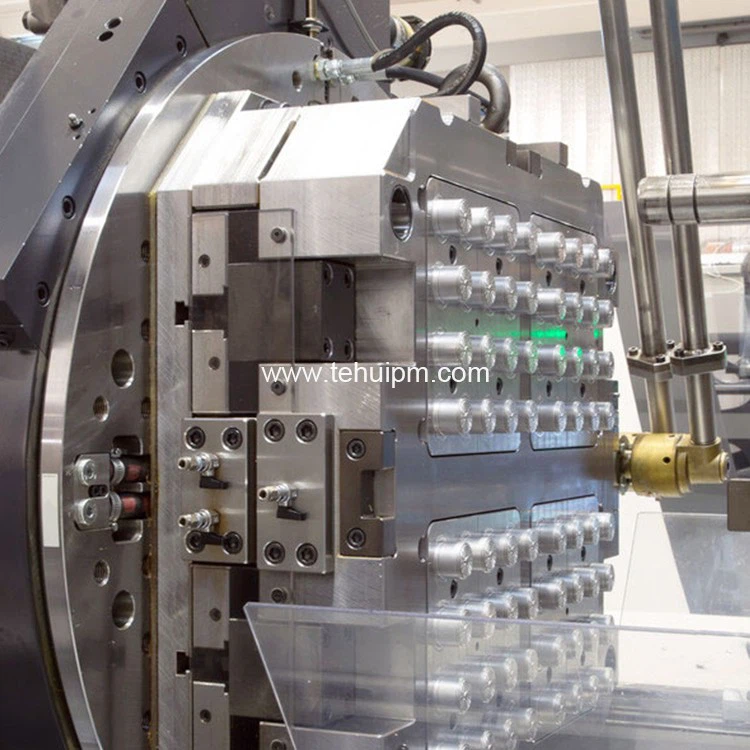
Custom Injection
The cost of custom injection molding includes the cost of mold-making, material, labor, and equipment. The initial investment in mold-making can be substantial, especially for complex parts. However, as mentioned earlier, the cost per part decreases significantly for large production runs. Additionally, custom injection molding can offer cost savings in terms of reduced labor and secondary finishing operations.
Casting
The cost of casting depends on the type of casting process used, the material, and the production volume. Sand casting is generally the least expensive casting process, making it suitable for small production runs. Investment casting and die casting can be more expensive, especially for large production runs, due to the higher cost of mold-making and equipment.
Conclusion
In conclusion, custom injection and casting are two distinct manufacturing processes with their own advantages and disadvantages. Custom injection molding is ideal for large production runs, high precision parts, and parts with complex shapes. It offers a smooth surface finish, high design flexibility, and cost savings for high-volume production. Casting, on the other hand, is suitable for small to large production runs, parts with unique shapes, and a wider range of materials. It can be a more cost-effective option for low-volume production and parts that do not require extremely tight tolerances.
As a custom injection supplier, I'm committed to providing high-quality custom injection molding services for a variety of industries. Whether you're looking to produce Home Use Plastic Items, Custom Mold Making, or Plastic Parts for Electronic Products, I can help you find the best solution for your needs.
If you're interested in learning more about custom injection molding or have a project that you'd like to discuss, please don't hesitate to contact me. I'd be happy to provide you with a quote and answer any questions you may have.
References
- Groover, M. P. (2010). Fundamentals of Modern Manufacturing: Materials, Processes, and Systems. John Wiley & Sons.
- Campbell, J. D. (2003). Castings. Butterworth-Heinemann.
- Rosato, D. V., & Rosato, D. V. (2000). Injection Molding Handbook. Hanser Publishers.