

Yo! I'm a custom injection supplier, and I've been in this game for quite a while. Dealing with custom injection in high - temperature environments is no walk in the park. There are tons of things to think about. Let's break it down and see what you gotta keep an eye on when doing custom injection under the heat.
First off, we've got to talk about the materials. Not all plastics are created equal when it comes to high - temperature exposure. Some plastics start to warp, melt, or lose their structural integrity when things get too hot. For instance, polypropylene is a popular plastic, but it has a relatively low melting point. If you're using it in a high - temperature custom injection project, it's gonna come out all messed up. You need to choose plastics that can withstand the heat, like PEEK (Polyether Ether Ketone) or PPS (Polyphenylene Sulfide). These materials have high heat - resistance properties and can maintain their shape and strength even when the temperature is cranked up.
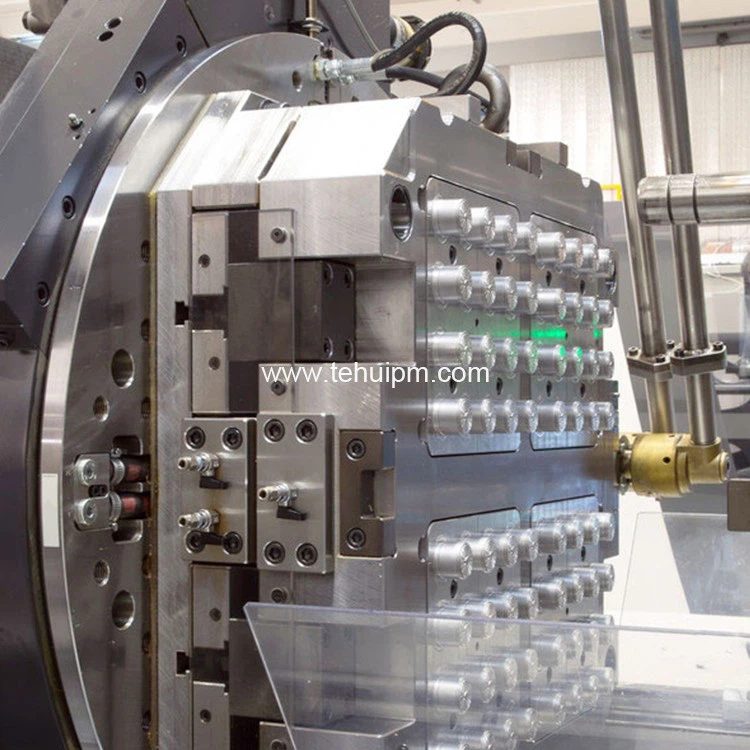

Now, let's say you've picked the right material. The next big thing is the mold. The mold is like the blueprint for your custom injection product. And in high - temperature environments, molds experience a lot of stress. You need to make sure the mold material can handle the heat. Steel molds are often a good choice because they have high thermal conductivity and can withstand a high amount of heat. But even with steel, you have to be careful. The heat can cause thermal expansion, which might change the dimensions of the mold. That means your final product might not come out the way you wanted it to.
Another consideration is the cooling system. Cooling is crucial in custom injection because it helps the plastic solidify and take the shape of the mold. In high - temperature environments, the cooling process becomes even more difficult. You've got to figure out a cooling system that can work efficiently despite the external heat. Common cooling methods include water - cooled channels inside the mold. But in a high - temp setting, the water might heat up quickly, reducing its cooling effectiveness. One way to deal with this is to use a chiller to keep the water at a consistent, cool temperature.
Let's also touch on the injection process itself. In high - temperature environments, the viscosity of the plastic changes. Viscosity is basically how thick or thin the plastic is. At higher temperatures, the plastic usually becomes less viscous, which means it flows more easily. This can be both good and bad. On the one hand, it might make it easier to inject the plastic into the mold. On the other hand, it can also lead to more flash. Flash is when the plastic leaks out of the mold cavity and creates thin, unwanted layers on the final product. You need to adjust the injection pressure and speed to account for these changes in viscosity.
Another key aspect is the quality control. When working in high - temperature environments, there are more variables at play that can affect the quality of the final product. You need to have strict quality control measures in place. Regular inspections of the molds, the injected products, and the entire injection process are necessary. This way, you can catch any issues early on, like warping, cracking, or inconsistent dimensions.
One thing I'd also like to mention is the safety of your workers. High - temperature environments can be dangerous. Workers can get burned, or they can inhale harmful fumes from the heated plastic. You need to provide proper safety equipment, like heat - resistant gloves and masks. And it's important to train your workers on how to handle high - temperature custom injection safely.
Now, speaking of custom injection, here at our company, we offer a wide range of services. If you're interested in the mold - making part of custom injection, check out our Custom Mold Making page. We've got the expertise to make molds that can withstand high - temperature environments.
We also cater to different customer needs. For those looking for Home Use Plastic Items, we can create custom - injected products that are both functional and stylish. And if you're into Plastic Parts for Electronic Products, we have the skills to make high - quality parts that can handle the heat generated by electronics.
If you've got a custom injection project, especially one in a high - temperature environment, we'd love to work with you. We've got the experience, the knowledge, and the tools to make your project a success. Contact us, and let's get down to business. Whether you're a small - time inventor or a big - name company, we're here to help you turn your ideas into reality.
In conclusion, custom injection in high - temperature environments is complex. There are multiple factors to consider, from the materials and molds to the cooling system, injection process, quality control, and worker safety. But with the right approach, you can overcome these challenges and create high - quality custom injection products. If you're thinking about starting a project, don't hesitate to reach out. We're always ready to discuss your needs and find the best solutions for your custom injection requirements.
References
- "Plastic Materials and Their Properties" by John Murphy
- "Mold Design and Manufacturing for Injection Molding" by David Brown
- "Advanced Cooling Techniques in Plastic Injection Molding" by Sarah Johnson