

Choosing the right steel for a storage box mould is a critical decision that can significantly impact the quality, durability, and cost - effectiveness of the final product. As a Storage Box Mould supplier, I have witnessed firsthand how the choice of steel can make or break a project. In this blog, I will share some insights on how to make an informed decision when selecting steel for storage box moulds.
Understanding the Basics of Steel for Moulds
Before delving into the selection process, it's essential to understand the fundamental properties of steel used in mould - making. The key properties include hardness, toughness, wear resistance, corrosion resistance, and thermal conductivity.
Hardness is crucial as it determines the ability of the mould to withstand the pressure and forces during the injection - molding process. A harder steel can maintain its shape and dimensions better over time, resulting in more consistent part quality. Toughness, on the other hand, is the ability of the steel to absorb energy without fracturing. This is important because moulds are often subjected to high - stress conditions, and a tough steel can prevent cracks and breakages.
Wear resistance is vital for moulds that will be used for high - volume production. As the plastic flows through the mould during the injection process, it can cause abrasion on the mould surface. A steel with good wear resistance will last longer and require less frequent maintenance. Corrosion resistance is necessary, especially if the mould will be exposed to moisture or chemicals. Rust and corrosion can damage the mould surface and affect the quality of the produced parts. Thermal conductivity is also significant as it affects the cooling rate of the plastic in the mould, which in turn impacts the cycle time and part quality.
Types of Steel for Storage Box Moulds
There are several types of steel commonly used in storage box moulds, each with its own set of characteristics.
Pre - Hardened Steel
Pre - hardened steel is a popular choice for storage box moulds, especially for medium - to high - volume production. It is supplied in a pre - hardened state, which means it can be machined directly without the need for additional heat treatment after machining. This saves time and cost in the mould - making process. Pre - hardened steel typically has good hardness, toughness, and wear resistance. Examples of pre - hardened steel include P20 and 718. These steels are suitable for most general - purpose storage box moulds.
Stainless Steel
Stainless steel is known for its excellent corrosion resistance. It is a great option when the mould will be exposed to moisture, chemicals, or when the plastic material used contains corrosive additives. Stainless steel also has good polishability, which can result in a smooth surface finish on the storage boxes. However, stainless steel is generally more expensive than pre - hardened steel and may have lower thermal conductivity. Types of stainless steel used in moulds include 420 and 17 - 4PH.
Tool Steel
Tool steel is a high - performance steel that offers exceptional hardness, wear resistance, and toughness. It is often used for moulds that require high precision and long - term durability, such as those for high - end or complex storage box designs. Tool steel can withstand high - temperature and high - pressure conditions during the injection - molding process. Examples of tool steel include D2 and H13. D2 is a cold - work tool steel with excellent wear resistance, while H13 is a hot - work tool steel commonly used in injection - molding applications.
Factors to Consider When Choosing Steel
Production Volume
The production volume is one of the most important factors to consider when choosing steel for a storage box mould. For low - volume production, a less expensive steel like pre - hardened steel may be sufficient. It can provide adequate performance at a lower cost. However, for high - volume production, a steel with better wear resistance, such as tool steel, is recommended. This is because the mould will be used repeatedly, and a more wear - resistant steel will have a longer service life, reducing the need for frequent mould replacements.
Complexity of the Mould Design
The complexity of the storage box design also influences the choice of steel. If the mould has intricate details, sharp corners, or thin walls, a steel with good machinability and toughness is required. Pre - hardened steel is often a good choice for moderately complex designs as it can be easily machined. For very complex designs, tool steel may be necessary due to its high strength and ability to maintain its shape under high stress.
Plastic Material
The type of plastic material used to make the storage boxes is another crucial factor. Different plastics have different properties, such as viscosity, shrinkage rate, and chemical composition. For example, if the plastic contains abrasive fillers, a steel with high wear resistance is needed. If the plastic is hygroscopic (absorbs moisture), a steel with good corrosion resistance may be required. Some plastics also require specific mould surface finishes, and the steel's polishability should be considered accordingly.
Cost
Cost is always a consideration in any manufacturing project. Pre - hardened steel is generally the most cost - effective option, especially for small - to medium - sized storage box moulds. Stainless steel and tool steel are more expensive, but they offer better performance in terms of corrosion resistance and durability. When evaluating the cost, it's important to consider the long - term cost of the mould, including maintenance, replacement, and the impact on production efficiency.
Making the Final Decision
After considering all the factors, it's time to make the final decision on the steel for the storage box mould. It's advisable to consult with a steel supplier or a mould - making expert. They can provide valuable insights based on their experience and knowledge of different steel grades.
As a Storage Box Mould supplier, I have worked with various types of steel and can offer guidance on the best choice for your specific project. We also offer a range of [Storage Box Mould](plastic - household - products - mold/storage - box - mould - factory.html) solutions to meet different customer needs.

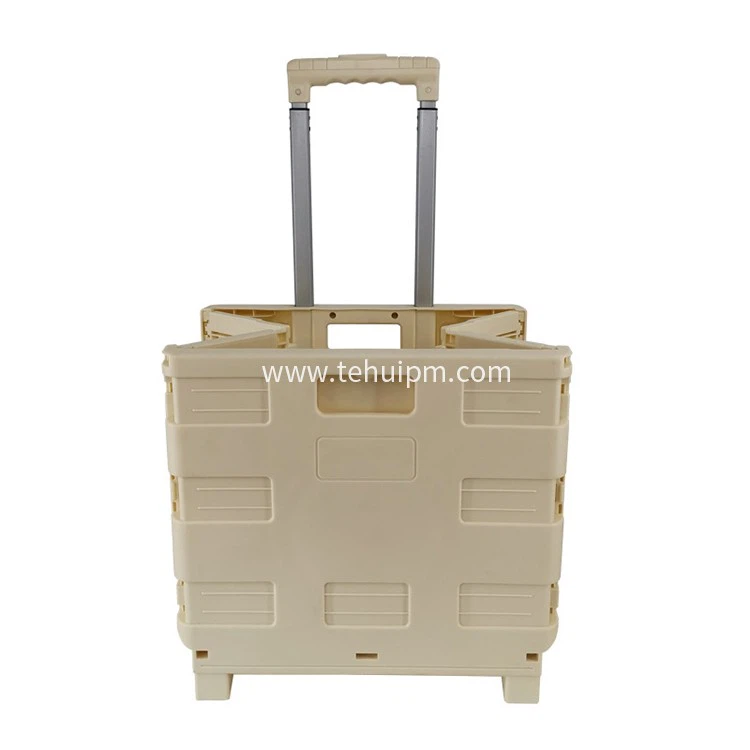
If you are interested in our [Plastic Tub Mold](plastic - household - products - mold/plastic - tub - mold.html) or [Pvc Household Items](plastic - household - products - mold/pvc - household - items.html), feel free to reach out to us for more information. Our team of experts is ready to assist you in choosing the right steel and creating high - quality storage box moulds.
Conclusion
Choosing the right steel for a storage box mould is a complex but crucial process. By understanding the properties of different types of steel, considering factors such as production volume, mould design complexity, plastic material, and cost, you can make an informed decision. As a Storage Box Mould supplier, I am committed to helping you find the best steel solution for your storage box moulds. If you have any questions or need further assistance, please don't hesitate to contact us for procurement discussions.
References
- "Mould - Making Technology" by X. Wang
- "Steel for Moulds: Properties and Applications" by J. Smith
- Industry reports on plastic injection - molding and mould - making