

Hey there! I'm a supplier of household plastics, and I've seen my fair share of weak plastics in the market. Weak household plastics can be a real pain in the neck - they break easily, don't last long, and can end up costing you more in the long run. But don't worry, I've got some tips and tricks up my sleeve to help you strengthen those weak household plastics.
First off, let's talk about why plastics can be weak in the first place. There are a few reasons for this. Sometimes, the plastic is just of poor quality to begin with. Manufacturers might cut corners to save money, using cheaper materials or not following proper manufacturing processes. Other times, the plastic might be exposed to harsh conditions, like extreme temperatures or chemicals, which can weaken its structure over time. And let's not forget about normal wear and tear - if you use your plastic products a lot, they're bound to start showing signs of weakness eventually.
So, how can we strengthen these weak plastics? Well, one of the easiest ways is to use a plastic reinforcement agent. These are additives that you can mix into the plastic during the manufacturing process to make it stronger. There are different types of reinforcement agents available, like fiberglass, carbon fiber, and even some types of nanoparticles. Fiberglass, for example, is a popular choice because it's relatively inexpensive and can significantly increase the strength and stiffness of the plastic. When you add fiberglass to the plastic, it forms a sort of internal framework that helps distribute stress more evenly, making the plastic less likely to break.
Another option is to use a plastic coating. There are special coatings available that can be applied to the surface of the plastic to make it more resistant to scratches, abrasions, and chemicals. Some coatings can also add a layer of protection against UV rays, which can cause plastics to become brittle and break over time. For example, if you have a plastic patio chair that's constantly exposed to the sun, applying a UV - resistant coating can help extend its lifespan.

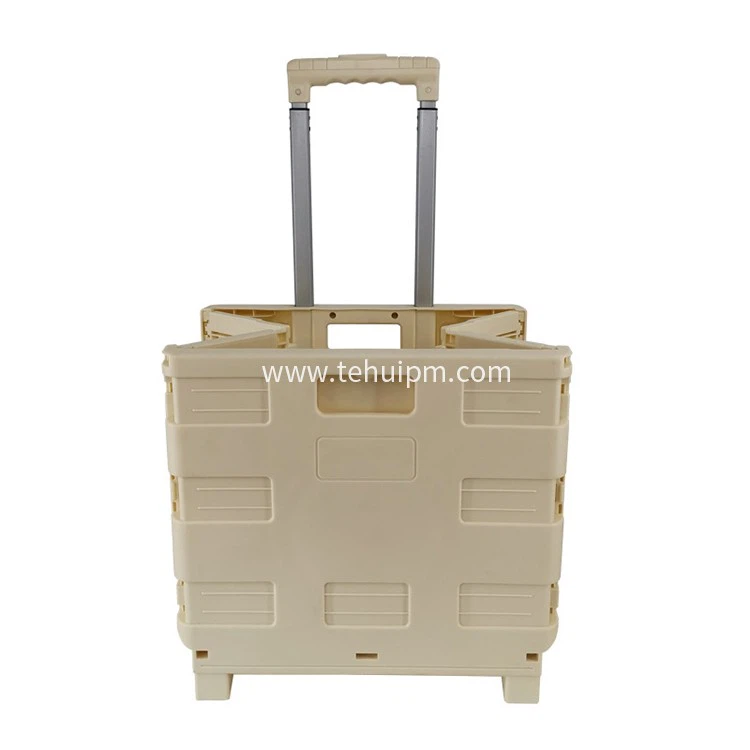
If you're dealing with a specific type of household plastic product, like Kitchen Plastic Products, there are some tailored solutions. For kitchen plastics, one thing you can do is to make sure they're not exposed to high - heat sources. Many kitchen plastics are not designed to withstand extreme heat, and exposing them to things like boiling water or hot stovetops can cause them to warp and weaken. Instead, use them for their intended purposes, like storing cold or lukewarm food and drinks.
When it comes to Pvc Household Items, PVC is a common type of plastic used in household items, but it can be prone to cracking and breaking. To strengthen PVC, you can use a PVC stabilizer. These stabilizers help prevent the PVC from degrading when it's exposed to heat, light, or chemicals. They work by reacting with the elements that cause degradation and neutralizing them. So, if you have PVC pipes or vinyl flooring in your home, using a stabilizer can keep them in good shape for longer.
For plastic products that are made using molds, like Drawer Mold, the quality of the mold can have a big impact on the strength of the final product. A well - designed mold ensures that the plastic is evenly distributed and that there are no weak spots in the product. When the plastic is injected into the mold, it should fill all the cavities properly and cool evenly. If the mold is not made correctly, the plastic might have thin areas or air bubbles, which can make it weak. So, as a supplier, I always make sure to use high - quality molds to produce strong and durable plastic products.
In addition to these methods, proper handling and storage of plastic products can also help keep them strong. When you're using plastic items, be gentle with them. Don't drop them or subject them to unnecessary force. And when you're storing them, make sure they're in a cool, dry place. Avoid stacking heavy objects on top of them, as this can cause them to deform and weaken.
Now, if you're in the market for household plastics, whether it's for your home or for a business, you want to make sure you're getting the best quality. As a supplier, I take pride in providing high - strength plastic products. I use the latest manufacturing techniques and the best materials to ensure that my products can stand up to the test of time.
If you're interested in learning more about our household plastics or want to discuss a potential purchase, don't hesitate to reach out. We can have a chat about your specific needs and I can show you the different options we have available. Whether you need a small quantity for your home or a large order for a commercial project, I'm here to help.
In conclusion, strengthening weak household plastics is definitely possible. By using reinforcement agents, coatings, and proper manufacturing techniques, and by taking good care of the plastic products, you can extend their lifespan and get more value for your money. So, if you've been dealing with weak plastics, give these tips a try and see the difference they can make.
References
- "Plastic Materials and Their Properties" by John Murphy
- "Handbook of Plastic Technology" by James F. Carley