

As a supplier of store plastic products, I've often been asked whether these products can be recycled into new ones. This is a question that not only reflects growing environmental awareness but also holds significant implications for the future of our industry. In this blog, I'll delve into the science behind plastic recycling, the challenges we face, and the opportunities it presents for creating new products from recycled store plastic.
The Basics of Plastic Recycling
Plastic is a versatile material that has found its way into countless store products, from packaging to household items. But not all plastics are created equal when it comes to recycling. There are seven main types of plastics, each with its own recycling code and characteristics. For instance, PET (Polyethylene Terephthalate), commonly used in beverage bottles, is one of the most widely recycled plastics. It can be melted down and transformed into new bottles, polyester fibers for clothing, or even carpet fibers.
On the other hand, plastics like PVC (Polyvinyl Chloride) are more challenging to recycle. PVC contains chlorine, which can release harmful chemicals when processed. However, advancements in recycling technologies are making it possible to recycle PVC more effectively. Pvc Household Items are a common sight in stores, and while recycling them is complex, it's not impossible.
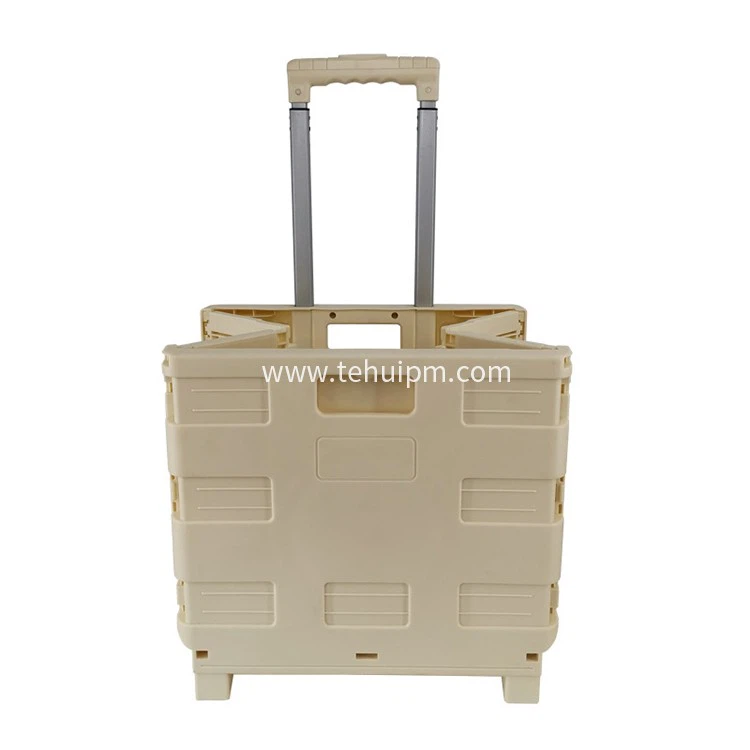

Recycling Store Plastic Products
When it comes to store plastic products, the recycling process typically begins with collection. Many municipalities have recycling programs in place to collect plastic waste from households and businesses. Once collected, the plastic is sorted by type and cleaned to remove any contaminants. This sorting is crucial because different types of plastics have different melting points and chemical properties, and mixing them can result in lower-quality recycled materials.
After sorting and cleaning, the plastic is shredded into small pieces and melted down. This molten plastic can then be molded into new products. For example, Plastic Household Products such as containers, trays, and utensils can be made from recycled plastic. The quality of the recycled product depends on several factors, including the quality of the original plastic, the recycling process used, and the amount of virgin plastic added to the recycled material.
Challenges in Recycling Store Plastic
Despite the potential for recycling store plastic products, there are several challenges that need to be addressed. One of the main challenges is contamination. Plastic products often come into contact with food, dirt, and other substances, which can contaminate the recycling stream. Contaminated plastic is more difficult to recycle and can reduce the quality of the recycled material.
Another challenge is the complexity of plastic products. Many store plastic products are made from multiple types of plastics or are combined with other materials such as metal or paper. This makes it difficult to separate the different components and recycle them effectively. For example, a plastic package with a metal zipper or a paper label requires additional processing steps to separate the materials.
In addition, the economics of recycling can be challenging. Recycling plastic requires energy, labor, and equipment, and the cost of recycling can sometimes be higher than the cost of producing new plastic from virgin materials. This can make it less attractive for some manufacturers to use recycled plastic in their products.
Opportunities for Creating New Products from Recycled Plastic
Despite these challenges, there are also many opportunities for creating new products from recycled store plastic. As consumers become more environmentally conscious, there is a growing demand for sustainable products. Many companies are now looking for ways to incorporate recycled plastic into their product lines to meet this demand.
One area of opportunity is in the development of new recycling technologies. Researchers are constantly working on improving the efficiency and effectiveness of plastic recycling. For example, new chemical recycling processes are being developed that can break down plastic into its basic building blocks, allowing for the creation of high-quality recycled plastic.
Another opportunity is in the design of store plastic products. By designing products that are easier to recycle, manufacturers can reduce the challenges associated with recycling. For example, using a single type of plastic in a product or avoiding the use of non-recyclable components can make the recycling process more straightforward.
The Role of Suppliers in Plastic Recycling
As a supplier of store plastic products, I have a responsibility to play in promoting plastic recycling. One way I can do this is by providing customers with information about the recyclability of my products. I can also work with manufacturers to develop more sustainable product designs and to source recycled plastic materials.
In addition, I can support the development of recycling infrastructure. This could involve partnering with local recycling facilities or advocating for policies that promote plastic recycling. By working together with other stakeholders in the industry, we can create a more circular economy for plastic products.
Conclusion
In conclusion, store plastic products can be recycled into new products, but it's not without its challenges. The key to successful plastic recycling lies in addressing the issues of contamination, complexity, and economics. By investing in new technologies, designing more recyclable products, and promoting a circular economy, we can create a more sustainable future for plastic.
As a supplier, I'm committed to playing my part in this process. I believe that by working together with customers, manufacturers, and recycling facilities, we can make a significant impact on the environment. If you're interested in learning more about our store plastic products or discussing opportunities for using recycled plastic in your business, I encourage you to [contact me for a procurement discussion](insert appropriate way to contact if available). Let's work together to create a more sustainable future for plastic products.
References
- American Chemistry Council. (2023). Plastic Recycling.
- European Plastics Converters. (2023). Recycling of Plastics.
- United Nations Environment Programme. (2023). Global Plastics Outlook: Charting a Path to a Circular Economy.